Where Does Your Bar Tab Actually Go? The Truth About Beach Bar Money in the DR
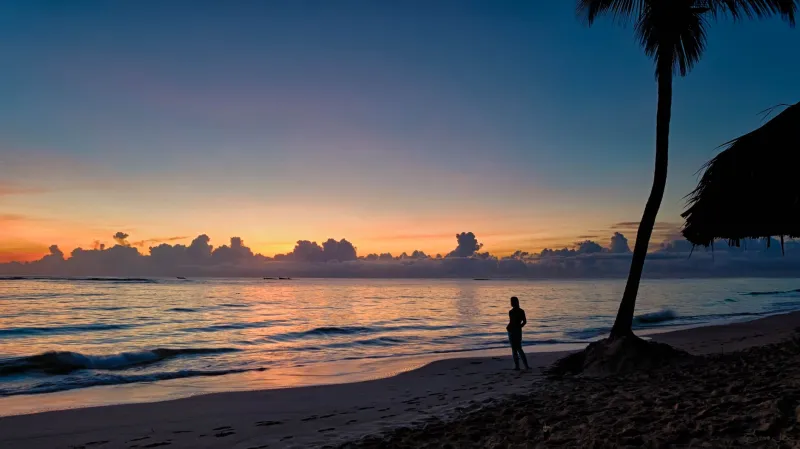
You're sitting on a plastic chair with your feet in the sand, a cold beer sweating in your hand, and the Caribbean stretching out in front of you like a screensaver that somehow got real. It's easy to stop thinking in moments like that. But here's a question worth asking before you order the next round: where does your money actually go when you pay for that drink?
The beach bar economy in the Dominican Republic is more layered — and more politically interesting — than most tourists ever realize. Some of those open-air spots are genuine community anchors, putting money directly into Dominican hands and keeping coastal neighborhoods economically alive. Others are owned by foreign investors or large resort chains that funnel profits offshore, leaving local workers with low wages and little else. Knowing the difference can make your vacation spending actually mean something.
The Landscape: Who Owns What on Dominican Beaches
Beach bars in the DR fall into a few rough categories, and ownership structure tells you a lot about where your money lands.
Resort-affiliated bars are the most common setup in tourist-heavy zones like Punta Cana and Bávaro. These spots sit on or near resort properties, often staffed by Dominican workers but owned by international hotel groups headquartered in Spain, the US, or Canada. Your drink order contributes to a corporate revenue stream that's largely repatriated out of the country. The local employees earn wages — sometimes decent ones — but the wealth-building happens elsewhere.
Expat-owned bars are a different story, and a more complicated one. Over the past two decades, Americans, Canadians, and Europeans have opened beach bars all along the DR's coastline — from Las Terrenas to Cabarete to Las Galeras. Some of these owners have been in the country for 20-plus years, married into Dominican families, hired exclusively local staff, and reinvested heavily in their neighborhoods. Others are newer arrivals running what amounts to a lifestyle business that skims income without giving much back. The expat label alone doesn't tell you which kind you're dealing with.
Dominican-owned spots — often called chiringuitos or just colmadones de playa — are where your spending has the most direct local impact. These are frequently family operations, sometimes running out of a structure that doubles as someone's home. Margins are thin, competition is real, and the owners are often navigating a tourism economy that wasn't exactly designed with them in mind.
Follow the Supply Chain
Beyond ownership, there's another layer worth understanding: where the products come from.
Presidente and Brugal are both Dominican brands, so ordering either puts money into locally operated production and distribution chains. That's a small but real distinction from, say, ordering an imported spirit that was shipped in from a US distributor.
Food matters even more. A beach bar that sources its fish from local fishermen — guys who went out that morning and pulled the catch themselves — is circulating money through a completely different economic ecosystem than one running a frozen seafood program from a regional supplier. Ask. Seriously, just ask where the fish came from. The answer will tell you a lot about how the place operates.
Local snacks, fresh fruit, and handmade food items served alongside drinks almost always point to a business that's woven into the community rather than sitting on top of it.
Red Flags and Green Flags
You don't need to run a background check on every bar you visit. But there are some quick reads that tend to hold up.
Green flags:
- Staff who've worked there for years (not high-turnover seasonal hires)
- A menu that changes based on what's fresh or available locally
- An owner or manager who can actually name the fishermen or farmers they buy from
- Community ties that are visible — sponsoring a local baseball team, posting flyers for neighborhood events, that kind of thing
- Pricing that reflects local economic reality, not a tourist premium on everything
Red flags:
- Laminated menus with stock photos that look identical to ten other bars on the strip
- Ownership that's clearly absent or invisible — the place runs itself without anyone who seems invested
- Staff who can't tell you anything about the food or drink sourcing
- Aggressive upselling tactics that feel more like a tourist trap than a neighborhood hang
- No Spanish spoken, ever, by anyone — which sometimes signals a business that's deliberately insulated from the local community
Spots That Get It Right
Without turning this into a listicle, it's worth pointing toward the kinds of places that tend to do this well.
The north coast — particularly around Cabarete and Río San Juan — has a solid cluster of bars and beach restaurants where long-term expat owners have genuinely integrated into the community. Many have Dominican co-owners or partners, employ locally, and buy from nearby farms and fishing operations. El Encuentro beach in Cabarete, for example, has a stretch of small bars that have operated for years with real neighborhood roots.
The Samaná Peninsula is another region worth noting. Las Terrenas has a French and Italian expat community that's been there long enough to have built real economic ties, and the beach bar scene there skews toward locally integrated businesses rather than extractive ones. Las Galeras, even quieter, has a handful of Dominican-run spots that are as close to the real thing as you'll find.
Pedernales and the far southwest — still relatively undiscovered by mass tourism — have almost exclusively Dominican-owned coastal spots. If you're making it out there, your spending is almost entirely going local by default.
How to Make Your Spending Count
None of this means you should stress out over every drink order. The point isn't guilt — it's just awareness. A few practical habits can genuinely shift where your vacation dollars land:
Wander away from the resort beach. The bars within walking distance of major resort entrances are almost always the most extractive. A five-minute walk down the sand usually gets you to something more interesting and more local.
Pay in cash at small spots. Card processing fees eat into thin margins at small Dominican-owned bars. Cash keeps more money with the owner.
Tip in local currency. Dominican pesos tip better than US dollars in most cases, because the staff doesn't have to deal with exchange hassles.
Ask questions. Where's the fish from? Who made this? How long have you been here? Dominicans are genuinely warm and most will love that you're curious. And the answers will tell you whether you've found a good one.
The beach bar is one of the great inventions of Caribbean life. Cold drink, warm sand, the sound of the ocean doing its thing — it doesn't get much simpler or better than that. But simple doesn't mean uncomplicated. The economics behind that cold Presidente are real, and the communities along the DR's coastline are shaped in part by how tourist money moves through them. You've already decided to show up. Might as well show up in a way that leaves something behind.