Listen Before You Leap: What Dominican Beach Sounds Are Actually Telling You
You've got your sunscreen, your beach bag, and your playlist already queued up. But here's a thought — before you plug in those earbuds, give the beach itself a minute to talk. Dominican coastlines are genuinely noisy places, and not just in the "crashing waves and reggaeton from a nearby colmado" kind of way. There's a whole layered soundscape happening around you, and locals who've spent their lives on these shores have learned to read it like a weather app that's actually accurate.
This isn't some mystical beach wisdom thing. It's practical. The sounds around you can tell you whether the surf is about to get sketchy, whether fish are running close to shore, and even whether a storm is quietly building offshore before a single cloud appears overhead. So let's break it down.
The Wave Vocabulary You Didn't Know You Needed
Not all wave sounds are created equal, and once you start paying attention, the differences become pretty obvious.
A steady, rhythmic whoosh followed by a clean pull-back — that's your baseline. It means the ocean is calm, the tide is relatively stable, and conditions are what they look like. This is the sound that makes up the background of every beach vacation highlight reel.
But when that rhythm starts to break down, pay attention. A deep, low-frequency boom — the kind you feel in your chest more than hear with your ears — usually means larger swells are rolling in, often ahead of a weather system that's still hours away. Locals along the north coast near Cabarete or Las Terrenas will tell you that booming surf in the morning, even under blue skies, often precedes afternoon squalls. It's not superstition. Swells travel faster than the storms that generate them.
A choppy, irregular slapping sound — waves hitting without any real pattern — typically signals conflicting currents or wind shifts near shore. This is the sonic version of a yellow flag. It doesn't mean get out of the water, but it does mean stay aware.
And that hissing, white-noise roar that builds in volume? That's high surf moving over a reef or shallow sandbar. On beaches where the reef sits close to the surface — think parts of the Samaná Peninsula or the reef-fringed coves near Bayahibe — this sound is your cue to keep your distance from the break zone.
Seabirds as Living Fish Finders
Fishermen along the Dominican coast have always watched the birds, but they listen to them too. The calls change depending on what's happening below the surface, and once you tune in, it's actually kind of fascinating to watch it play out in real time.
Frigatebirds — those massive, fork-tailed birds that soar without flapping — are mostly silent. But when you hear a cluster of them suddenly vocalizing and diving in a tight area, baitfish have been pushed to the surface by larger predators below. That's a live fishing report, basically.
Brown pelicans are the most dramatic hunters on Dominican beaches. Their plunge-dives are usually silent until impact, but the splashing and the frantic calling that follows a successful dive signals active fish near the surface. A line of pelicans working a specific stretch of water means the fishing is good right there, right now.
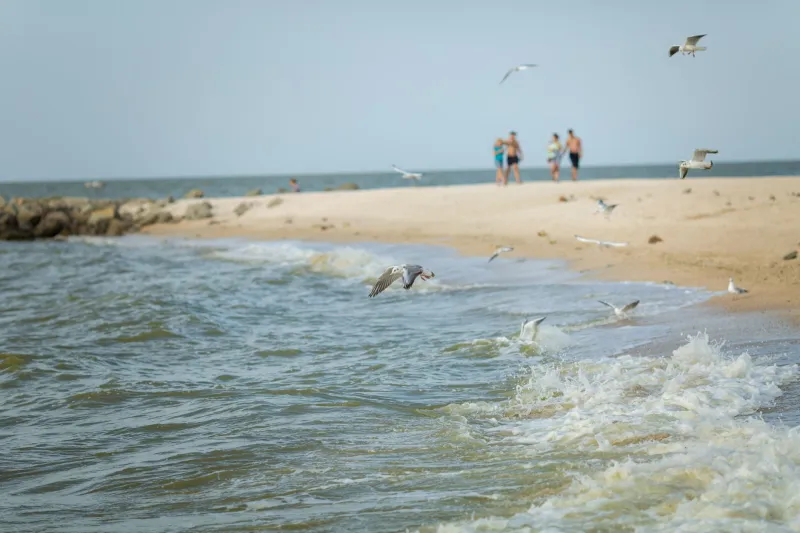
Laughing gulls — the ones that sound like they're doing exactly what their name suggests — tend to get louder and more agitated when weather is shifting. If a normally chill group of gulls starts moving inland and calling persistently, that's worth noting. Fishermen in Boca Chica and Puerto Plata have been using this cue for generations.
The Sound of Changing Tides
Tides on Dominican beaches aren't as dramatic as what you might experience on the Maine coast, but they're real and they matter — especially if you're snorkeling, fishing, or navigating rocky shorelines.
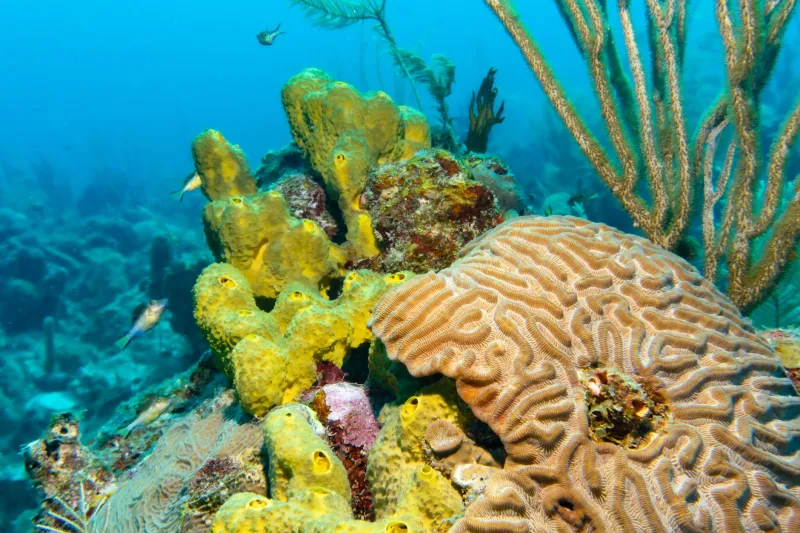
As the tide drops, beaches that sit near reef systems start to sound different. The water moving over exposed coral creates a kind of crackling, gurgling sound — almost like a slow drain. If you're swimming and you start hearing that beneath you, the water is getting shallower faster than it might look. This is especially relevant at spots like Playa Frontón or the reef areas near Isla Saona, where low tide can expose sharp coral quickly.
Incoming tide has its own sound signature too. Waves tend to arrive with more force and less retreat time. The pull-back gets quieter, shorter. If you're standing at the waterline and the wet sand under your feet seems to be expanding faster than it was twenty minutes ago, the tide's coming in — and that's confirmed by the changing rhythm of the water's retreat.
Wind, Rain, and the Sounds That Come Before
The Dominican Republic sits in the Atlantic hurricane belt, and even outside of peak season, afternoon storms roll through coastal areas regularly. The good news is that they're rarely silent in their approach.
A sudden drop in ambient beach noise — birds going quiet, the usual background hum of insects fading — often precedes a significant weather shift. It sounds counterintuitive, but the calm before the storm is a real acoustic phenomenon. If a noisy beach goes weirdly quiet in the middle of the afternoon, look at the sky to the south or east.
Wind direction changes are also audible before they're visible. If the palms above you start rustling from a different angle than they were ten minutes ago, the wind has shifted. On the north coast especially, a wind shift from northeast to northwest in the afternoon is a reliable indicator of an approaching squall line.
Rain on the ocean surface has a distinctive hissing sound that carries surprisingly far — sometimes you can hear a rain shower moving toward the beach a full five minutes before it arrives. That's usually enough time to grab your stuff and find cover.
How to Actually Use This on Your Trip
None of this requires you to become a marine biologist or a seasoned fisherman. It just requires a few minutes of intentional listening before you commit to a long swim or a snorkeling session.
Here's a simple habit: when you first arrive at the beach, sit for five minutes and just listen. Get a baseline for what the waves sound like, where the birds are, how the wind is moving. Then check in again every hour or so. Changes from that baseline are your signal to reassess.
If you're traveling with kids or planning to be in the water for an extended stretch, this kind of low-key environmental awareness is genuinely useful — and it costs you nothing except a few minutes of actually being present instead of scrolling.
Dominican beaches are beautiful to look at. But they've got a lot to say too, if you're willing to put the headphones away long enough to hear it.