Swimming in Secret: The Dominican Republic's Hidden Freshwater Cenotes and Coastal Lagoons
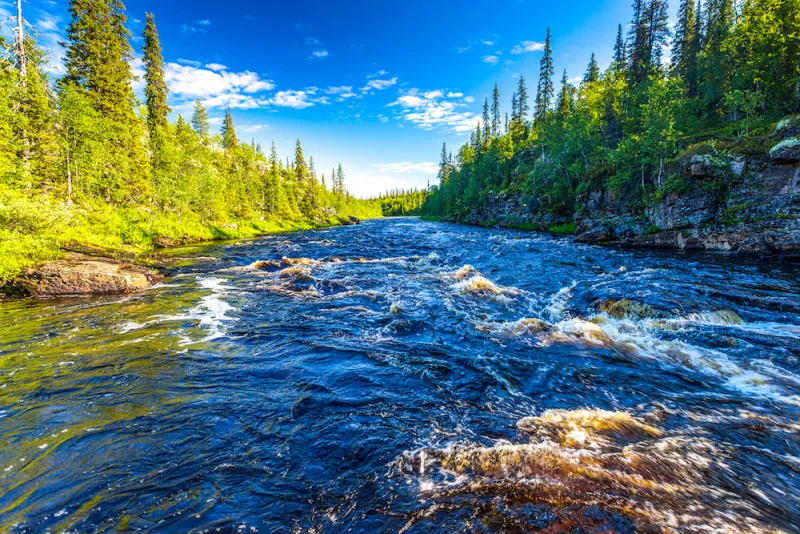
Photo: freshwater cenote crystal clear blue lagoon Dominican Republic tropical, via cff2.earth.com
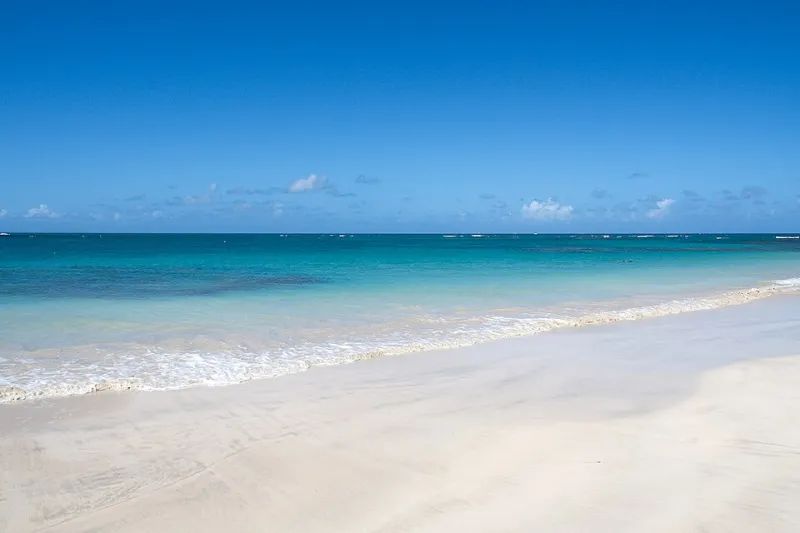
Most people picture the Dominican Republic and immediately think of Punta Cana's white-sand beaches or the turquoise stretch of Playa Bávaro. And look, those places are gorgeous — no argument there. But if you're the kind of traveler who gets a little restless behind the resort gates, you might be thrilled to learn that the DR is hiding something genuinely extraordinary just off the beaten path: a collection of freshwater cenotes, coastal lagoons, and underground swimming holes that barely show up on tourist maps.
These aren't just "cool swimming spots." They're geological wonders formed over thousands of years, where freshwater filters through limestone karst formations and collects in pools so clear you can see every pebble on the bottom. Some open directly to the sea, creating a surreal mix of fresh and saltwater. Others are tucked inland, surrounded by jungle, with shafts of sunlight cutting through the canopy overhead. All of them are worth the effort to find.
What Exactly Is a Cenote — and Does the DR Even Have Them?
Cenotes are most famously associated with Mexico's Yucatán Peninsula, so it's fair to wonder whether the Dominican Republic genuinely qualifies. The short answer: yes, though the terminology gets a little loose down here. The DR sits on a heavily karstified limestone platform, meaning the same geological processes that created Mexico's famous sinkholes have been quietly at work across Hispaniola for millennia.
Locals often refer to these spots as ojos de agua (eyes of water) or simply as lagoons, but the underlying geology is similar — freshwater percolating through porous rock, pooling in natural chambers, sometimes connecting to coastal or underground river systems. The result is the same magic: impossibly clear water, cool temperatures even in summer, and an otherworldly atmosphere that feels nothing like a standard beach day.
Los Tres Ojos: The Gateway Cenote Near Santo Domingo
If you're starting in or passing through the capital, Los Tres Ojos ("The Three Eyes") is the most accessible introduction to the DR's cenote landscape. Located in a national park just east of Santo Domingo, this system of four interconnected limestone lakes sits inside a dramatic open-air cave. The water shifts between jade green and deep turquoise depending on the light, and the surrounding rock walls are draped in ferns and moss.
Visiting is straightforward — there's an entrance fee (typically around $3–5 USD for foreign visitors), and guides are available on-site. The park is a genuine highlight even for travelers who wouldn't normally detour for a nature stop. Plan for about 90 minutes, wear comfortable shoes (some paths are uneven), and bring a camera with a wide-angle lens if you have one. The light inside the caves is stunning in the morning.
El Dudú Blue Lagoon: The North Coast's Best-Kept Secret
Head up to the north coast near Cabrera, and you'll find what many locals consider the crown jewel of the DR's freshwater swimming spots: El Dudú Blue Lagoon. This stunning cenote complex features two interconnected pools — one open to the sky, one partially covered by a cave ceiling — with water so blue it looks digitally enhanced in photos. Spoiler: it's not.
What makes El Dudú special beyond the visuals is the experience it offers. Rope swings dangle over the main pool, and cliff jumping is very much a thing here. The water stays refreshingly cool year-round, making it particularly appealing during the DR's hot summer months. A small on-site restaurant serves cold drinks and simple food, which is genuinely welcome after a swim.
Getting there requires either a rental car or a private transfer from Cabarete or Las Terrenas — it's not on any standard tour circuit, which is part of the appeal. Budget around 45 minutes to an hour from either town. Entrance fees are modest, and the crowds are a fraction of what you'd find at any resort beach.
The Coastal Lagoons of the Samaná Peninsula
The Samaná Peninsula deserves its own article (and it'll get one), but its lagoon system is too good to skip here. The peninsula's northeastern coast is dotted with small freshwater pools and brackish lagoons that sit just behind the beach, separated from the ocean by narrow strips of sand. These spots aren't formally developed — which is exactly the point.
The area around Las Galeras, in particular, rewards explorers willing to hike or hire a local guide. Some of the lagoons here are accessible only by foot trail or small boat, and the reward is near-total solitude. You might share the water with a few locals, but the Instagram crowds haven't found these spots yet. That will change eventually, so now is genuinely a good time to go.
Practical Tips for Visiting DR Cenotes and Lagoons
Hire a local guide when possible. Not just for safety — though that matters — but because locals know which spots are actually worth the drive and which have gone downhill. Guides in towns like Cabarete, Las Terrenas, and Cabrera can point you toward freshwater spots that don't appear on any map or travel blog.
Skip the sunscreen before swimming. Most cenotes and lagoons have delicate ecosystems, and chemical sunscreens wreak havoc on them. Bring a rash guard for sun protection instead, and leave the SPF 50 in your bag until you're back at the beach.
Go early. El Dudú and Los Tres Ojos both see their biggest crowds between 11 a.m. and 2 p.m. Arrive at opening time and you'll often have the water largely to yourself.
Rent a car. Honestly, this applies to most off-resort exploration in the DR, but it's especially true for cenote hunting. Public transportation doesn't serve most of these locations, and private taxis add up quickly if you're making multiple stops.
Water shoes are worth it. Limestone is beautiful and also extremely sharp. A cheap pair of water shoes will save your feet and let you explore more freely.
Why These Spots Matter Beyond the Instagram Moment
There's a version of DR travel that never leaves the resort complex, and it's a perfectly valid vacation. But the freshwater cenotes and lagoons scattered across this island represent something the all-inclusive experience can't replicate: genuine contact with a landscape that formed long before any hotel was built here. Swimming in an ojo de agua near Cabrera or floating in the blue stillness of El Dudú, you get the sense that the Dominican Republic has been quietly extraordinary for a very long time — and that most of it is still waiting to be discovered.