Beach Safety in the Dominican Republic: The Honest Guide US Travelers Need Before They Go
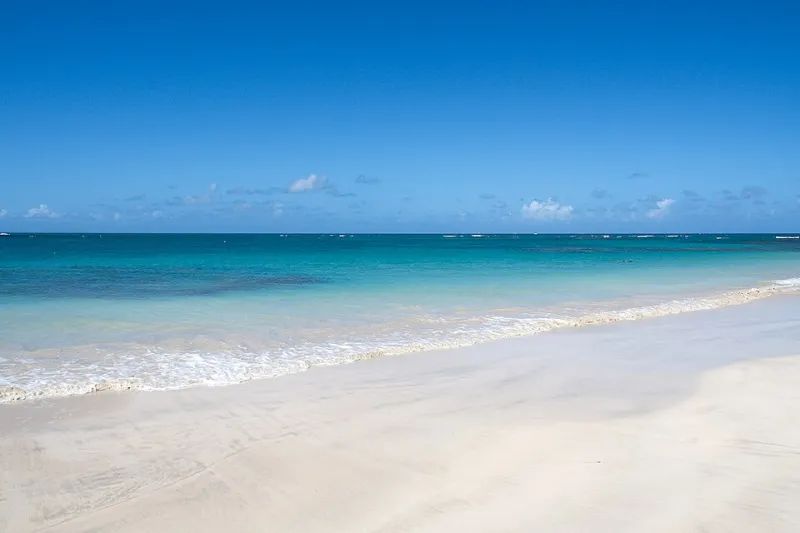
Photo: Šarūnas Burdulis, CC BY-SA 2.0, via Wikimedia Commons
Let's Be Real About Beach Safety in the DR
Every year, millions of Americans head to the Dominican Republic for sun, sand, and some version of paradise — and the vast majority of them have a fantastic, incident-free trip. But like any destination with powerful ocean conditions, tropical weather patterns, and the occasional opportunistic theft, the DR rewards travelers who show up informed.
This isn't a fear-mongering piece. It's a practical one. At La Playa Dominicana, we believe that knowing what to expect is what makes a beach vacation genuinely relaxing. So here's the honest rundown.
Understanding Rip Currents: The Biggest Physical Danger on Any Beach
Rip currents are the leading cause of ocean drowning worldwide, and the Dominican Republic is no exception. They can occur on any beach — including calm-looking ones — and they're especially common along stretches of coast exposed to open Atlantic swells, like parts of the north coast near Cabarete and some unguarded beaches in the Samaná region.
What to look for:
- Discolored, choppy, or foamy water moving in a channel away from shore
- A gap in the breaking waves
- Debris or seaweed moving steadily seaward
If you get caught in one: Do not swim directly against it — you'll exhaust yourself. Instead, swim parallel to the shore until you're out of the current's pull, then angle back in. Stay calm. Signal for help if needed.
The safest move is to swim at beaches with lifeguards on duty. Most major resort beaches have them, but smaller public beaches often don't. If there's no lifeguard and you're unsure about conditions, wade rather than swim — or ask a local whether it's safe that day. Dominicans who live near the water know the tides and currents better than any guidebook.
Sun Exposure: It Hits Differently in the Caribbean
The Dominican Republic sits at roughly 18–20 degrees north latitude, which means the sun is significantly more intense than what most Americans are used to — even compared to Florida. UV index readings of 10 or 11 (classified as "extreme") are routine during midday hours from April through October.
What that means practically:
- Reapply sunscreen every 90 minutes, especially after swimming. SPF 30 is the minimum; SPF 50 is smarter.
- Avoid peak sun hours between 11 a.m. and 2 p.m. That's beach bar time, not beach time.
- Wear a rash guard or UV shirt if you're spending extended time in the water — regular sunscreen washes off faster than you think.
- Stay hydrated. The combination of heat, humidity, and alcohol (we see you with that Presidente) accelerates dehydration quickly. Drink water consistently throughout the day.
Heat exhaustion is more common among tourists than most people realize. If you start feeling dizzy, nauseous, or unusually tired on the beach, get into the shade immediately and drink fluids. Don't push through it.
Protecting Your Valuables: Practical, Not Paranoid
Petty theft does happen at Dominican beaches, particularly at busy public beaches in tourist areas. Phones, cameras, wallets, and jewelry left unattended while you swim are the most common targets. The good news: a few simple habits eliminate most of the risk.
Smart moves:
- Leave valuables at your hotel. If you don't need it on the beach, don't bring it.
- Use a waterproof pouch for your phone and cards if you're going in the water — these clip to your swimsuit and work well.
- Travel in groups when possible. Theft is much less likely when someone is always staying with the bags.
- Don't flash expensive gear. A DSLR camera, a gold chain, or a visible wad of cash draws unnecessary attention anywhere in the world.
- Use hotel safes for passports, extra cash, and electronics you're not actively using.
If you're visiting a public beach — especially in areas like Boca Chica or Juan Dolio, which are closer to urban centers — be a bit more alert than you would at a gated resort beach. That's not a knock on those places; they're great. Just stay aware.
Seasonal Weather: When to Watch the Sky
The Dominican Republic's official hurricane season runs from June 1 through November 30, with the statistical peak falling between mid-August and mid-October. Most years, the DR dodges direct hits — but tropical storms and heavy rain systems do affect beach conditions, sometimes significantly.
What seasonal weather means for beach trips:
- December through March is the sweet spot for most travelers — low humidity, minimal rain, and calm seas. This is peak season for good reason.
- April and May are also excellent, with slightly warmer temps and thinner crowds.
- June through August brings heat and humidity but is generally still manageable. Afternoon thunderstorms are common and usually brief.
- September and October carry the highest weather risk. If you're booking during this window, consider travel insurance that covers weather-related disruptions. Some of the best deals on accommodations fall in this period — just go in with eyes open.
Always check the National Hurricane Center (nhc.noaa.gov) in the days before departure if you're traveling between August and October. Most resorts and hotels have storm protocols in place, but it's worth knowing what your options are.
A Few More Things Worth Knowing
Water and food safety: Tap water in the DR is not recommended for drinking. Stick to bottled water, and be cautious with ice at informal beach stands. Most established restaurants are fine.
Ocean wildlife: Jellyfish are occasional visitors, particularly on the north coast after storms. If you see them near shore, give them space. Sea urchins hide in rocky areas and reef zones — wear water shoes if you're exploring beyond sandy bottoms.
Alcohol and the water: It sounds obvious, but swimming while heavily intoxicated is genuinely dangerous in any ocean environment. Know your limits before you wade in.
Respect flag systems: Some Dominican beaches use flag systems similar to those in the US — red means stay out, yellow means caution, green means safe. Not every beach uses them, but when you see flags, follow them.
The Bottom Line
The Dominican Republic is one of the most beautiful beach destinations in the entire Western Hemisphere, and the overwhelming majority of visitors leave with nothing but great memories and a serious tan. A little preparation goes a long way toward making sure your trip falls into that category.
Know the water. Respect the sun. Keep your stuff simple. Check the calendar. That's really the whole formula.
We'll handle the beach recommendations — that part's the fun bit.