Forget the Resort Bubble: The Dominican Beach Towns Locals Actually Love
The Dominican Republic Has a Secret Coastline — and Locals Want to Keep It That Way
Ask a family from Santo Domingo where they're spending Semana Santa, and they probably won't say Punta Cana. They'll mention a town you've never heard of — a place with plastic chairs on the sand, cold Presidentes, and fish pulled out of the water that same morning. That's the Dominican Republic that most US tourists never get to see, and honestly? It's the best part.
Don't get us wrong — there's nothing wrong with a swim-up bar and a beach towel service. But if you've already done the resort thing and you're craving something realer, these hidden coastal communities are calling your name.
Las Galeras: The Quiet End of the Samaná Peninsula
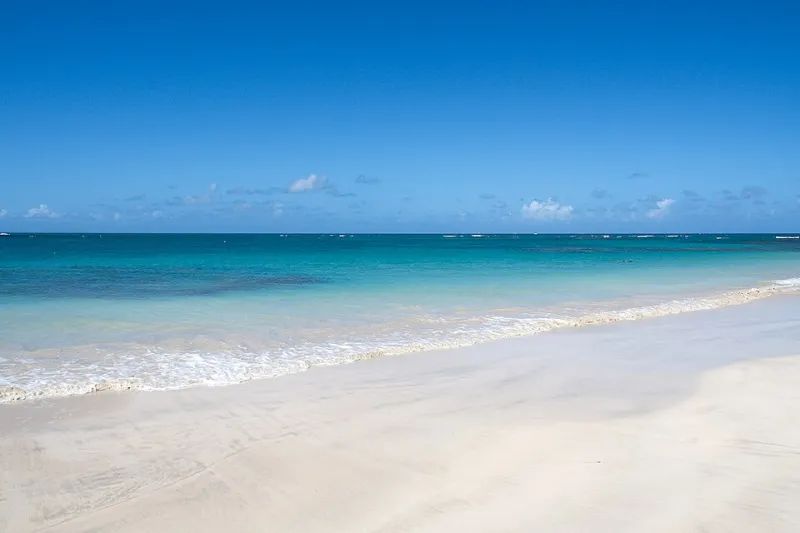
Tucked at the far eastern tip of the Samaná Peninsula, Las Galeras feels like it exists slightly outside of time. There are no chain hotels here, no DJ sets pumping from a pool deck. What you do get is some of the most jaw-dropping beach scenery in the entire Caribbean — think Playa Rincón, a long crescent of white sand that consistently ranks among the best beaches in the world, yet somehow sees only a fraction of the foot traffic it deserves.
The town itself is tiny and walkable. Local families run small guesthouses called pensiones where a clean room with a fan might run you $30–$50 a night. Seafood shacks line the waterfront, and the catch of the day is exactly that — whatever came in fresh. Getting here takes some effort (a flight to El Catey or Samaná, then a winding road east), but that's kind of the point. The journey filters out the crowd.
Pro tip: Hire a local boat captain to take you to Playa Frontón — it's only accessible by water, and it looks like something out of a nature documentary.
Miches: The Low-Key Gateway to Playa Esmeralda
Miches is having a slow-burn moment. Nestled along the coast of El Seibo province, this small fishing town sits on the edge of Bahía de Samaná and backs up against lush mountains that tumble right down to the water. Dominican city-dwellers have been coming here for years to escape the noise, drawn by the calm bay, the cool breezes off the hills, and the total absence of tourist infrastructure.
Yes, a few luxury eco-resorts have started popping up on the outskirts, but the town center remains refreshingly local. You'll find colmados (corner stores) stocked with cold drinks, weekend beach parties that happen organically on the sand, and family-run comedores serving rice, beans, and chicken for a few dollars a plate.
Playa Esmeralda, just a short drive from the center, lives up to its name — the water really does glow that particular shade of green-blue. On weekdays, you might have it almost entirely to yourself.
Barahona: The Wild South Coast Most Americans Skip Entirely
If you're willing to venture beyond the tourist corridor of the north and east coasts, Barahona will absolutely blow your mind. Located in the southwestern corner of the country, this coastal city is the jumping-off point for some of the Dominican Republic's most dramatic and diverse scenery — volcanic black sand beaches, mineral spring pools, and the crystalline waters of Bahía de Neyba.
Dominican travelers, particularly outdoor enthusiasts and eco-minded vacationers, have long made Barahona a pilgrimage destination. The region is home to Larimar mining (that's the sky-blue gemstone unique to the DR), the flamingo-filled Lago Enriquillo, and a string of beaches — like Playa San Rafael and Playa Los Patos — where cold freshwater springs mix with warm Caribbean surf in a way that sounds impossible until you're standing in it.
Accommodations here are affordable and genuine. Think family-owned beach hotels with open-air dining, where the owner's grandmother might be cooking in the kitchen. Budget roughly $60–$90/night for a solid spot with meals nearby.
Getting there: Fly into Santo Domingo (SDQ) and rent a car — the drive takes about three hours and winds through gorgeous mountain scenery. Do not attempt this without GPS.
Cabrera: The North Coast's Best-Kept Secret
Most visitors to the north coast head straight to Cabarete for kiteboarding or Sosúa for the nightlife. But about 45 minutes east of those towns sits Cabrera, a small municipality that sits on a dramatic stretch of cliff-lined coast with hidden coves, natural pools, and beaches that feel genuinely undiscovered.
Laguna Dudú, a series of blue freshwater lagoons connected by caves and rope swings, is located just outside of town and has become a quiet favorite among Dominican families on weekend trips. The surrounding beaches — Playa Diamante, Playa El Bretón — tend to attract more locals than tourists, especially on weekends when families spread out under the palm trees with coolers full of food.
Cabrera itself has a few small hotels and guesthouses, and the local food scene is anchored by family restaurants serving the kind of comida criolla (traditional Dominican cooking) that reminds you why you came here in the first place.
What to Expect When You Go Off the Beaten Path
Before you pack your bags for any of these spots, a few honest notes from us at La Playa Dominicana:
- English is limited. In these towns, Spanish is the default. Download Google Translate, learn a few key phrases, and embrace the communication adventure.
- Cash is king. ATMs can be scarce. Bring enough pesos to cover a few days, especially in smaller towns like Las Galeras or Cabrera.
- Roads vary. Some of these destinations require navigating unpaved or poorly marked roads. A 4WD rental is worth the extra cost.
- The vibe is unhurried. Dominican time is real. Meals take longer, things open later, and the pace of life is deliberately slow. That's the whole point.
These towns aren't trying to compete with Punta Cana. They're something else entirely — places where the beach belongs to the community, the food reflects real tradition, and you're a guest in someone's actual home turf. That's a travel experience worth seeking out.