Month by Month: Picking the Best Time to Visit Dominican Republic Beaches Based on What You Actually Want

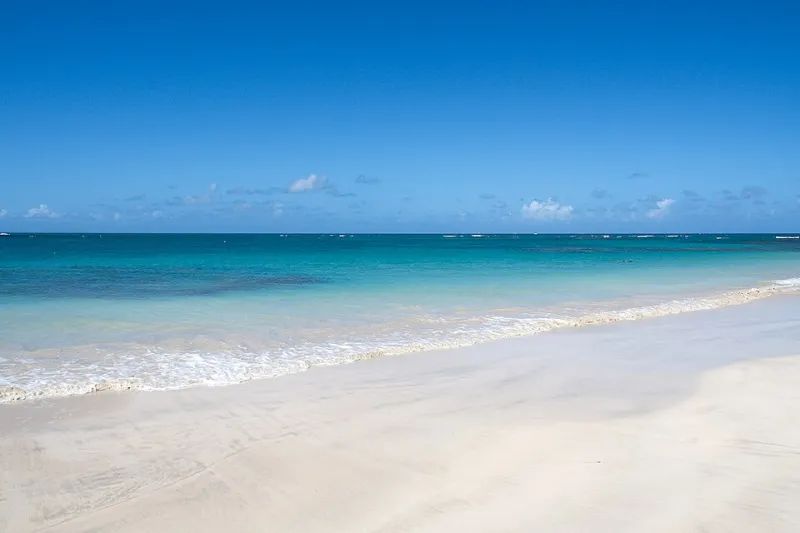
Photo: Oleg Yunakov, CC BY-SA 4.0, via Wikimedia Commons
Ask most travel sites when to visit the Dominican Republic and you'll get some version of the same answer: December through April is peak season, summer is hurricane season, the end. That's not wrong, exactly — but it's not the whole picture either, and it leads a lot of US travelers to either overpay for a crowded peak-season trip or skip the DR entirely during months that are actually fantastic for visiting.
The truth is more nuanced and, honestly, more useful. The DR is a geographically diverse country, which means weather patterns vary significantly depending on where you're headed. Punta Cana and the Samaná Peninsula don't behave the same way. The north coast and the south coast aren't on the same rainfall schedule. And "hurricane season" covers six months, most of which are genuinely fine for travel.
Here's the real breakdown — organized around what you actually want from your trip.
Understanding the DR's Two Climates (Yes, Two)
Before diving into months, it helps to understand that the Dominican Republic effectively has two distinct climate zones divided by the Cordillera Central mountain range running through the middle of the country.
The north coast (Cabarete, Las Terrenas, Samaná) tends to be wetter in winter and drier in summer — the opposite of what most people expect. The south and east coasts (Punta Cana, Bávaro, La Romana, Santo Domingo) follow a more traditional Caribbean pattern with a dry season from November through April and a wetter period from May through October.
This distinction matters enormously when planning. A traveler who heads to the north coast in January expecting sunny skies might be disappointed, while someone visiting Punta Cana that same month will likely have picture-perfect weather.
December Through February: Peak Season and Its Trade-Offs
This is when the DR sees its heaviest tourist traffic, and the reasons are obvious. The south and east coasts are reliably dry and sunny. Temperatures hover in the low-to-mid 80s Fahrenheit. The water is warm enough for comfortable swimming, usually around 78–80°F. And for Americans fleeing winter, the timing is irresistible.
The catch: prices spike significantly, particularly around Christmas and New Year's. Flights from major US hubs like New York, Miami, and Atlanta can run two to three times their off-season rates. Resorts fill up fast and often require minimum stays during holiday weeks. Beaches at Bávaro and Punta Cana get crowded — not unpleasantly so, but noticeably.
If peak season is your target, book as early as possible — ideally six months out for holiday travel. And consider less-trafficked alternatives like Bayahibe or the beaches around La Romana, which offer similar weather with fewer crowds.
One peak-season highlight that's genuinely worth knowing: humpback whale season in Samaná Bay runs roughly January through March. If watching humpbacks breach from a boat is on your bucket list, this is one of the best places in the world to do it, and the timing aligns perfectly with peak travel season.
March and April: The Sweet Spot Most Travelers Overlook
If you have any flexibility in your schedule, March and April deserve serious consideration. Peak-season crowds begin to thin after spring break, but the weather on the south and east coasts remains excellent. Prices drop noticeably compared to January and February, and you'll find better availability at popular resorts.
Water temperatures start climbing toward their summer peak (upper 80s°F by late April), which is great news for snorkelers and divers. The north coast begins its transition toward its own dry season, making late March and April an increasingly good time to visit Cabarete or Las Terrenas.
May Through July: Summer Heat, Calmer Seas, and Real Savings
Here's where the conventional wisdom starts to mislead people. Yes, May officially marks the beginning of Atlantic hurricane season. No, that doesn't mean the Dominican Republic becomes dangerous or unpleasant in May and June. In reality, those early summer months are often excellent for travel — particularly on the south and east coasts.
The DR's peak hurricane risk doesn't typically materialize until August and September. May, June, and even July see occasional rain showers, but they tend to be brief afternoon thunderstorms rather than sustained downpours. Morning and evening conditions are frequently beautiful. And the financial savings are real: flights and hotels can run 30–40% less than peak season rates.
Summer also brings warmer water — ocean temps in the upper 80s°F are common by July, which is ideal for swimming and snorkeling. Reefs are active, visibility is good, and the beaches at Punta Cana and Bávaro have noticeably fewer visitors.
One caveat: the north coast's rainy season typically runs through spring and early summer, so if Cabarete or Samaná is your destination, check regional forecasts more carefully.
August and September: Proceed With Eyes Open
These are the months that earn hurricane season its reputation. The statistical risk of tropical storms and hurricanes peaks in late August and September, and the DR sits in a region that sees meaningful storm activity during these weeks. That doesn't mean a trip is doomed — plenty of travelers visit in August and September without any weather disruption. But the risk is real enough to warrant honest acknowledgment.
If you travel during these months, travel insurance with trip cancellation coverage is non-negotiable. Look for policies that specifically cover weather-related cancellations. Monitor forecasts closely in the week before your departure. And understand that some resorts in storm-prone areas may have limited services if a system has recently passed through.
The upside: rock-bottom prices and nearly empty beaches if the weather cooperates. For budget-conscious travelers who are flexible and comfortable with uncertainty, it can work out beautifully.
October and November: The Underrated Transition Window
October is statistically still within hurricane season, but storm activity begins to decrease noticeably compared to August and September. By November, the south and east coasts are moving into their dry season, and the weather improves week by week. Prices haven't yet climbed to peak-season levels, and the beaches are quiet.
November in particular is an underrated month for DR travel. The Punta Cana area enjoys increasingly reliable sunshine, water temps are still warm from summer, and you can often find excellent flight deals from US cities before holiday travel demand kicks in.
Quick Reference: Matching Your Goals to the Calendar
- Best weather, don't care about cost: December–February (south/east coast)
- Best value with good weather: March–April or November
- Whale watching: January–March (Samaná Bay)
- Best for surfing (Cabarete): November–May, when north swells arrive
- Fewest crowds: May–July (with some rain risk) or November
- Absolute budget minimum: August–September (higher storm risk)
- Best snorkeling and diving conditions: June–August (warm, clear water)
The Bottom Line
The Dominican Republic doesn't really have an off-season — it has trade-offs. Every month offers something worth experiencing; the question is what you're willing to prioritize. A family locked into school-year schedules will make different choices than a couple with flexible remote-work arrangements. A surfer has different priorities than someone who just wants to lie on a beach with a cold drink.
Knowing which coast you're visiting, what you want to do when you get there, and how much weather uncertainty you're comfortable with will get you much further than following the generic "go in winter" advice. The DR rewards travelers who do their homework — and the beaches are waiting year-round.