What the Water Is Actually Telling You: A Dominican Lifeguard's Guide to Reading the Ocean Before You Jump In
You've done the research. You've booked the flights, found a great spot near the beach, and packed the sunscreen. What you probably haven't packed is any real knowledge of what the water might throw at you once you get there.
The Dominican Republic's beaches are genuinely stunning — but they're also backed by two completely different bodies of water, each with its own personality and its own set of risks. And while most travel safety advice stops at "watch for rip currents," the guys who actually pull people out of the water every day have a lot more to say.
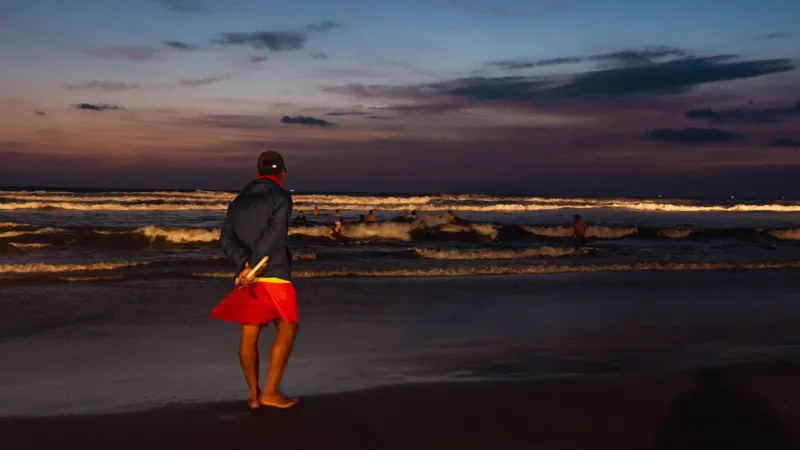
We spent time talking to lifeguards and beach patrol workers at beaches along both coasts — from the north Atlantic shore near Cabarete to the calmer Caribbean side near Bayahibe — and what they shared is worth reading before your feet ever hit the sand.
The Atlantic vs. the Caribbean: Two Very Different Oceans
This is the single most important thing most US tourists don't know: the Dominican Republic has two coastlines, and they behave nothing alike.
The north and east coasts — think Las Terrenas, Cabarete, and the beaches around Punta Cana — face the Atlantic Ocean. The water is more dynamic, swells are bigger, and wave patterns shift faster, especially between November and March. These beaches are incredible for kitesurfing and surfing precisely because the ocean is more powerful here.
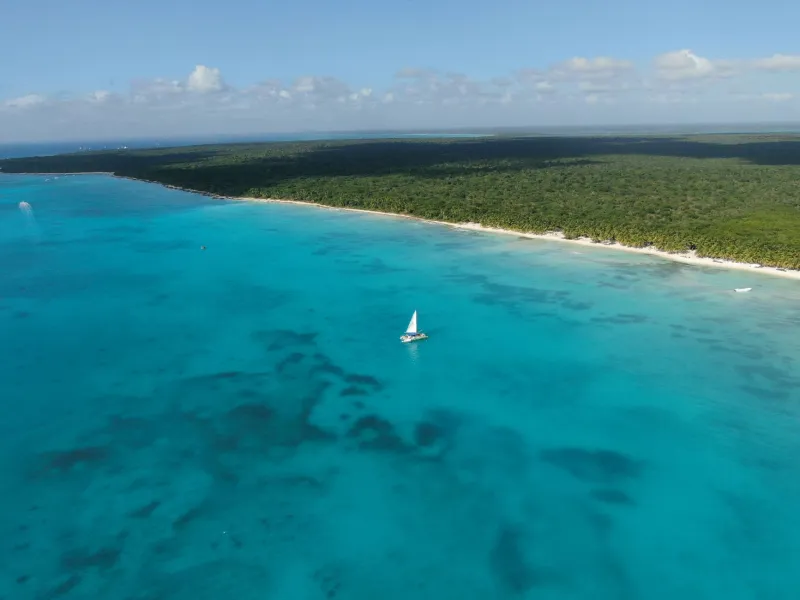
The south and southwest coasts — Bayahibe, Boca Chica, Pedernales — sit along the Caribbean Sea. Calmer surface conditions, yes. But calmer doesn't mean safe, and it definitely doesn't mean hazard-free.
"Americans come to the Caribbean side and they relax too much," said Ramón, a beach patrol worker we spoke with near Juan Dolio. "They think because it looks flat, nothing can happen. But the currents underneath — those don't care how the surface looks."
Rip Currents: What They Actually Look Like Here
Rip currents are the number one cause of water rescues on Dominican beaches, and they're notoriously hard to spot if you don't know what you're looking for.
Forget the Hollywood version of a swirling whirlpool. A rip current typically looks like a narrow, slightly discolored channel of water moving away from shore — often darker, sometimes with a choppy or foamy surface texture that looks different from the waves on either side of it. It can appear deceptively calm.
On Atlantic-facing beaches, rips often form near rocky outcroppings, jetties, or gaps in sandbars. On the Caribbean side, they're more likely to appear after a period of strong onshore wind or wave activity pushes water toward shore and it needs somewhere to go.
The advice from every lifeguard we talked to was consistent: if you get caught in one, don't fight it. Swim parallel to shore — not straight back — until you're out of the current's pull, then angle back in. Fighting a rip current head-on is how people exhaust themselves into serious trouble.
"We see it every week," said Yolanda, a certified lifeguard stationed at a popular beach near Punta Cana. "The person panics, they swim hard against it, they get tired, and now it's an emergency. If they just stayed calm and swam sideways, they would have been fine."
Shore Break: The Hazard Nobody Talks About
Rip currents get all the press, but shore break injures a surprising number of tourists every season — especially on the Atlantic coast.
Shore break happens when waves break directly on a steep beach rather than rolling in gradually. The wave pitches forward and slams into shallow water with real force. It looks fun. It is fun, until it isn't.
Diving or jumping into shore break is how people fracture wrists, dislocate shoulders, and — in serious cases — injure their necks. Kids are especially vulnerable. If you're at a beach where waves are breaking hard right at the shoreline, treat it with respect. Wade in carefully, don't turn your back to the waves, and keep an eye on children at all times.
Beaches near Cabarete and some stretches of the Samaná Peninsula can have significant shore break, particularly during the winter months when Atlantic swells peak.
Undertow and Backwash: The Pull You Don't See Coming
Undertow is related to shore break — it's the seaward rush of water that flows back down the beach face after a wave crashes. On steep beaches with heavy wave action, this backwash can be strong enough to knock adults off their feet and drag them toward the next incoming wave.
The fix here is simple but requires attention: plant your feet wide when a wave recedes, bend your knees slightly, and don't let the water rush around both ankles at once if you can help it. It sounds basic, but most people are looking at the horizon or their phone when it happens.
Reading the Flag System (and What to Do When There Are No Flags)
Larger resort beaches and some public beaches use a flag system — green for safe conditions, yellow for caution, red for dangerous, black for closed to swimming. If you see flags, use them. They're updated based on actual conditions that day, not just general guidelines.
But here's the reality: a lot of Dominican beaches — especially the hidden gems and local spots that make the DR so special — don't have lifeguards or flag systems at all. At those beaches, you're reading the water yourself.
Ramón's advice: "Look at the water for five minutes before you go in. Watch where the waves are breaking, where the water looks different, where things are moving. The ocean tells you. Most people just don't look."
Other local cues worth noting: if you see local fishermen avoiding a particular stretch of water, there's usually a reason. If other swimmers are clustering in one area and staying away from another, follow their lead. Locals read these beaches every day.
Practical Habits That Actually Help
Beyond reading the conditions, a few simple habits can make a real difference:
- Never swim alone, especially at beaches without lifeguards. This sounds obvious, but solo swimmers account for a disproportionate share of serious incidents.
- Avoid alcohol before swimming. The combination of sun, heat, and alcohol impairs judgment and physical coordination faster than most people expect.
- Tell someone where you're going. If you're heading to a remote beach, let your hotel or a travel companion know your plan.
- Know your limits. The DR's water can look calm and inviting even when conditions are challenging. If you're not a confident swimmer in moving water, stay in shallower areas and closer to shore.
- Check conditions in the morning. Wind and wave conditions often change throughout the day, especially on the Atlantic coast. Mornings tend to be calmer.
The Bottom Line
None of this is meant to scare you away from the water — quite the opposite. The Dominican Republic has some of the most spectacular swimming, snorkeling, and beach experiences in the entire Caribbean. The goal is to help you enjoy all of it confidently, with your eyes open.
The lifeguards and beach workers we talked to weren't trying to be alarmist. They were matter-of-fact, almost cheerful about it. "Just pay attention," Yolanda said with a shrug. "The water is beautiful. We want you to enjoy it. Just pay attention."
Good advice for anywhere. But especially here.