Paradise Under Pressure: The Real Story of What's Happening to Dominican Coral Reefs
You've seen the photos. Turquoise water so clear you can count the fish from a boat. Coral formations that look like something out of a nature documentary. It's exactly why millions of Americans book flights to the Dominican Republic every year. But here's the thing nobody's putting in the brochure: some of those reefs are disappearing, and the tourism industry itself is part of the reason why.
That's not a reason to cancel your trip. It is a reason to travel smarter. Here's what's actually happening along the DR's coastline — and how you, as a visitor, fit into the picture.
The Boom Nobody Talks About
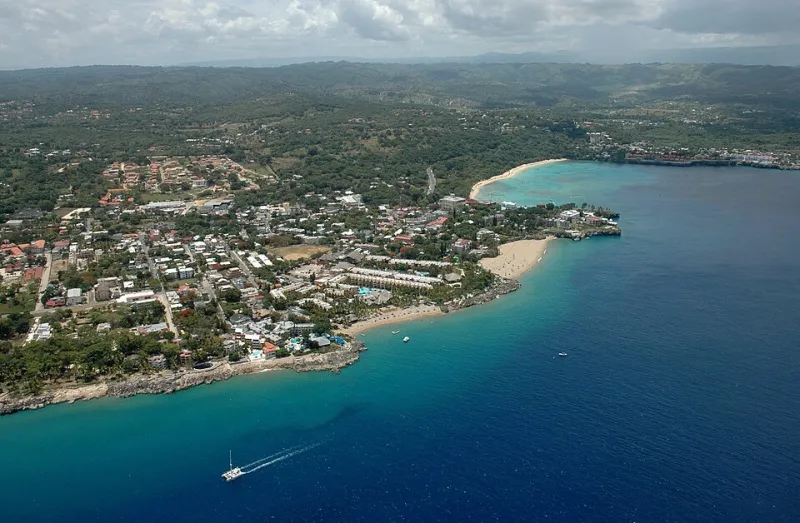
The Dominican Republic has been on a construction tear for the better part of two decades. New all-inclusive resorts, marina developments, and beachfront condos have transformed long stretches of coastline that were, not long ago, relatively untouched. Punta Cana alone has added thousands of hotel rooms in recent years, and the development pressure has pushed into areas like Miches, Samaná, and the Amber Coast.
Construction doesn't just change what you see above the waterline. Runoff from building sites carries sediment and chemicals directly into nearshore waters, smothering coral polyps that need clear, clean water to survive. Dredging for marinas and boat channels physically destroys reef structures that took centuries to form. And when mangrove forests — which act as natural nurseries for fish and buffers against storm surge — get cleared to make room for beach bars and parking lots, the entire coastal ecosystem takes a hit.
"The mangroves and the reefs are connected," explains Dr. Yolanda Ferreras, a marine ecologist based in Santo Domingo who has been studying Dominican coastal systems for over 15 years. "When you remove one, you weaken the other. Tourists see a beautiful beach, but they don't see what made that beach possible in the first place."
What the Science Actually Says
Global coral bleaching events — driven by rising ocean temperatures linked to climate change — have hit Caribbean reefs hard. The Dominican Republic hasn't been spared. Water temperatures that spike even a degree or two above normal for extended periods cause corals to expel the algae living in their tissue, turning them ghostly white. Bleached coral isn't dead coral, but it's severely stressed, and if conditions don't improve quickly, mortality follows.
Local stressors compound the global ones. Overfishing depletes the parrotfish and surgeonfish that graze algae off coral surfaces — without them, algae overgrows and suffocates reef structures. Agricultural runoff introduces nitrogen and phosphorus into coastal waters, feeding algae blooms. Poorly managed wastewater from hotels and towns adds to the load.
A 2022 assessment by the Dominican Republic's Ministry of Environment found that live coral cover in several key reef zones had declined significantly over the past decade. Some areas that were thriving snorkeling destinations fifteen years ago now show sparse, fragmented coral with little of the fish diversity that once defined them.
It's not all bad news. Certain protected areas — particularly within Los Haitises National Park and parts of the Samaná Bay region — show healthier reef systems where enforcement of fishing regulations and development restrictions has been more consistent. The difference between a protected reef and an unprotected one is visible to even a casual snorkeler.
What You'll Actually Notice in the Water
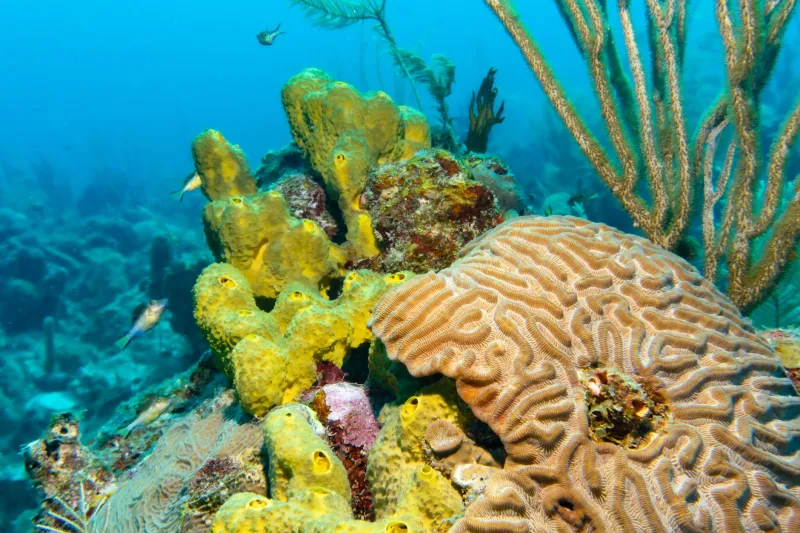
You don't need a marine biology degree to observe what's happening. If you're snorkeling around heavily developed resort areas, pay attention to a few things: How much of the coral is white or brown versus vibrant purple, yellow, and orange? Are you seeing large schools of fish, or just a few scattered individuals? Is the water itself clear, or does it have a greenish, murky tint?
Healthy reefs are dense, colorful, and busy. Degraded reefs feel quieter — less life, less color, more algae draped over skeletal coral structures.
Conversely, if you make it to a less-developed stretch of coast — certain spots near Cabrera on the north coast, or snorkeling sites accessible from Las Galeras in Samaná — the contrast can be genuinely striking. More fish, more coral complexity, cleaner water. It's a living comparison between what the DR's reefs can look like when given a chance.
What Tourists Can Actually Do
Here's where the conversation gets practical, because the "awareness" piece only matters if it changes behavior.
Choose reef-safe sunscreen. This one's easy and genuinely impactful. Oxybenzone and octinoxate — common ingredients in standard US sunscreens — are toxic to coral at even small concentrations. Look for mineral-based sunscreens with zinc oxide or titanium dioxide instead. Several brands now market specifically reef-safe formulas, and they're widely available at US pharmacies before you travel.
Don't touch the coral. Ever. A single touch can damage the protective mucus layer that keeps coral alive. This applies to standing on it, anchoring boats near it, and dragging fins across it. If your snorkel tour guide isn't emphasizing this, that's a signal about the quality of the operation.
Pick tour operators who actually give a damn. A growing number of dive and snorkel companies in the DR are affiliated with organizations like the Reef Check Foundation or operate under certified eco-tourism frameworks. Ask before you book. Operators who limit group sizes, brief guests on marine etiquette, and avoid known sensitive zones are worth the extra effort to find.
Support local conservation organizations directly. Groups like Reef Check Dominican Republic and Fundemar (Fundación Dominicana de Estudios Marinos) do on-the-ground work — coral monitoring, community education, restoration planting. A small donation goes a long way, and some organizations offer volunteer experiences where travelers can participate in reef surveys or restoration projects.
Eat local and sustainable seafood. We know, we know — you're on vacation and the lobster looks amazing. But being thoughtful about what you order matters. Avoid species that are locally overfished, ask where the fish came from, and when in doubt, choose restaurants that work with local fishermen operating within regulated catch limits.
The Bigger Picture
The Dominican Republic is actively working on this problem, even if progress is uneven. The government has expanded marine protected areas in recent years, and there's growing collaboration between tourism operators and environmental agencies. The challenge is enforcement — protected areas without adequate monitoring and penalties for violations don't function as advertised.
Tourism, for all the pressure it creates, is also part of the solution. When travelers start demanding sustainability — asking about it, rewarding operators who deliver it, and spending money accordingly — the market responds. The DR's tourism economy is large enough that shifting visitor preferences can genuinely move the needle.
The reefs that make Dominican beaches worth visiting are still there. Some are thriving. Others are struggling. What happens next depends, in part, on the choices made by the people showing up to swim in them.
That includes you.