Skip the Buffet: How to Eat Amazingly Well on Dominican Beaches Without Spending a Fortune

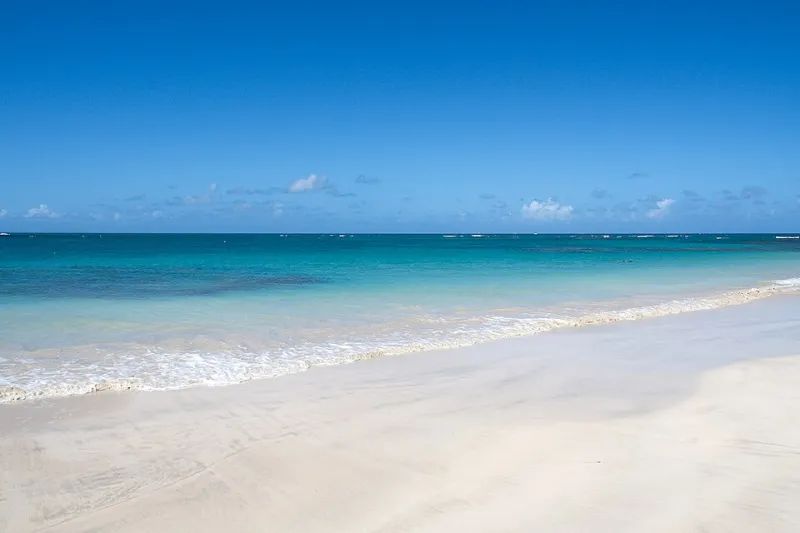
Photo: U.S. Air Force photo by Andrea Jenkins, Public domain, via Wikimedia Commons
Let's be honest: the all-inclusive model is built around convenience, not authenticity. You paid for unlimited food and drinks, so why would you leave? Here's why — because twenty feet outside that resort gate, someone's grandmother is frying fish over a wood flame, and it costs three dollars. That's the Dominican Republic most visitors never see, and it's absolutely worth stepping out for.
This isn't about roughing it. It's about eating better — fresher, bolder, and more memorably — while keeping your wallet happy. Here's how to do it.
What Is Comida Criolla and Why Should You Care?
Comida criolla is the backbone of Dominican home cooking. Think slow-stewed meats, rice cooked with beans until they're practically inseparable (that's moro), fried plantains in two different styles, and braised chicken that's been marinated longer than you've been planning this trip. It's hearty, deeply seasoned without being spicy-hot, and almost always made in big batches — which is exactly why it's so cheap.
Along the coast, comida criolla gets a serious seafood upgrade. Red snapper (chillo), conch (lambí), shrimp, and octopus all show up regularly, prepared in ways that put most American seafood shacks to shame. Garlic butter, coconut milk, tomato-based sauces — the preparations vary by region, but the quality is consistently high.
Finding the Real Food: Where to Look
Beachside comedores are your first stop. A comedor is essentially a casual neighborhood eatery — often just a few plastic tables under a palm-thatched roof — where locals eat lunch. These spots dot the coastlines from Las Terrenas to Boca Chica to the beaches around Puerto Plata. Lunch is the main event in Dominican culture, and a full plate of the day's special (el plato del día) typically runs between $3 and $6 USD. You'll usually get protein, moro, salad, and tostones. It's a full meal.
Don't be intimidated if the menu isn't written in English — it often isn't written at all. Just ask "¿Qué hay hoy?" (What's there today?) and point at what looks good on someone else's plate. Dominicans are genuinely warm toward curious visitors, and the staff at small comedores tend to appreciate the effort.
Beach vendors and food carts are your second resource. In popular beach towns, you'll find vendors walking the sand or parked along the malecón selling everything from grilled corn to fresh coconuts to chimichurris — the Dominican street burger that's nothing like the Argentine sauce you might be thinking of. A Dominican chimi is a soft roll stuffed with ground beef, shredded cabbage, tomatoes, and a tangy mayo-ketchup sauce. It's messy, it's delicious, and it'll cost you around $2.
Keep an eye out for women selling empanadas and catibías (yuca-based turnovers filled with seasoned meat or fish) from baskets or small coolers. These are perfect beach snacks and usually go for under a dollar each.
Seafood Markets: The Freshest Catch Without the Restaurant Markup
If you're staying somewhere with kitchen access — a vacation rental or guesthouse — hitting a local seafood market is one of the best moves you can make. Markets near fishing villages like Miches, Las Galeras, or Cabrera sell the morning's catch at prices that feel almost absurdly low compared to what you'd pay back home.
Whole red snapper, fresh shrimp by the pound, spiny lobster in season — you can pick what you want, and many vendors will even clean and fillet the fish for you on the spot. If you're not cooking yourself, some small restaurants near these markets will cook your purchased fish for a small prep fee. It's an informal arrangement, but it's common and totally worth asking about.
Drinks: Coconuts, Presidente, and the Magic of Mama Juana
Stay hydrated the Dominican way. Fresh coconuts (cocos fríos) are everywhere along the coast and typically cost $1–2. The vendor hacks one open with a machete, sticks in a straw, and you've got the most natural sports drink imaginable. Once you've finished the water, hand it back and they'll split it open so you can scoop out the soft coconut meat.
For something stronger, Presidente beer is the local staple and costs around $1.50 at a colmado (corner store) versus $5–8 at a resort bar. And if someone offers you a shot of mamajuana — a rum-soaked blend of tree bark, herbs, and honey — say yes. It's a rite of passage.
Practical Tips for Eating Smart
- Eat where locals eat. If a spot has plastic chairs, a handwritten sign, and a TV playing baseball, you're in the right place.
- Lunch over dinner. The midday meal is when comedores shine and prices are lowest. Dinner menus at tourist-facing spots tend to creep up.
- Carry small bills. Many beach vendors and small comedores don't make change easily. Having 50–200 Dominican pesos on hand keeps things smooth.
- Cash is king. Card readers are rare outside of tourist restaurants. ATMs in town centers are your friend.
- Ask about the catch. Freshness varies. Asking "¿Es de hoy?" (Is it from today?) is totally normal and respected.
The Dominican Republic has one of the most underrated food cultures in the Caribbean, and the best of it happens far from the resort dining room. Give yourself one lunch, one market visit, one beachside chimi — and you'll wonder why you ever stood in a buffet line.