Sold a Dream, Stuck with a Deed: The Hard Truth About Buying Beach Property in the DR
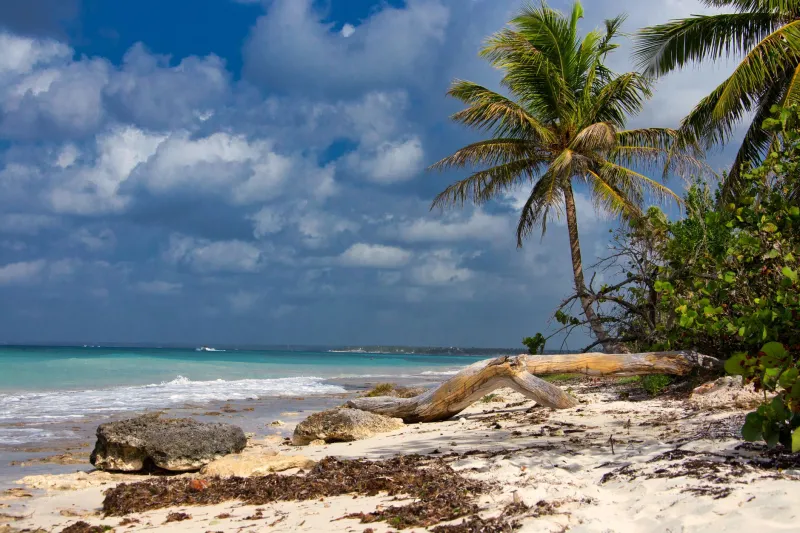
The pitch is almost irresistible. White sand out your back door, a fraction of the price you'd pay in Florida, and the kind of lifestyle that makes your friends back in Ohio quietly jealous. Dominican Republic beachfront property has been luring American buyers for decades — and for a small slice of those buyers, it genuinely works out. But for a much larger group, the dream quietly curdles into a financial headache, a legal nightmare, or just a slow, grinding disillusionment that ends with a "For Sale" sign and a hard-won education.
We talked to buyers, attorneys, and real estate insiders across the DR's coastal regions to find out what actually happens after the ink dries.
The Title Problem Nobody Warns You About
If there's one issue that comes up in almost every cautionary tale, it's this: property titles in the Dominican Republic are not always what they appear to be. The country has been slowly modernizing its land registry system, but the process is incomplete — and in coastal areas, where land has changed hands informally for generations, the paper trail can be a mess.
"I thought I did everything right," said one American buyer who purchased a small villa near Las Terrenas in 2018. "I hired a local attorney. We did a title search. Two years later, I found out there was a competing claim from a family that said they'd owned part of the land for thirty years. It took another two years and a lot of money to sort out, and I never felt fully secure after that."
Title disputes in the DR aren't rare edge cases — they're a documented pattern, especially in areas where beachfront land became suddenly valuable after tourism development took off. The legal process for resolving them is slow and can be expensive. Some disputes drag on for years. A few never fully resolve.
The fix? Hire your own attorney — not one recommended by the seller or the developer — and pay for an independent title search through the Dominican land registry (the Registro de Títulos). It costs more upfront, but it's the only real protection you have.
The Currency Math That Quietly Eats Your Equity
Here's something that catches a lot of American buyers off guard: real estate transactions in the DR are typically denominated in US dollars, but your ongoing costs — property taxes, utility bills, maintenance labor, local services — are paid in Dominican pesos. That sounds fine until you realize that the peso has historically depreciated against the dollar, which means your local costs in dollar terms can shift significantly over time depending on the exchange rate environment.
When the peso weakens, your dollar goes further for local expenses. When inflation spikes locally (which it does periodically), the cost of materials, labor, and services can jump in ways that aren't immediately obvious if you're only checking the exchange rate. Several buyers we spoke to were genuinely shocked by how much their annual maintenance costs had climbed three or four years in.
Hurricane Insurance: The Bill That Changes Everything
This one is simple but brutal. The DR sits squarely in the Atlantic hurricane belt. Insuring a beachfront property here — if you can get comprehensive coverage at all — costs significantly more than insuring a comparable home in, say, inland North Carolina. And if your property is within a certain distance of the waterline, some insurers won't touch it at standard rates.
One retired couple from Georgia who bought near Cabarete estimated their annual insurance costs at nearly three times what they'd budgeted based on initial quotes. "We got a number from a broker before we bought," one of them told us. "After we actually closed and started shopping around properly, every real quote came back way higher. We were locked in by then."
Then there's the question of what happens after an actual storm. Even a near-miss can leave a beachfront property with salt damage, flooding, and structural issues that a standard policy may not fully cover. Read every exclusion clause. Then read them again.
Maintenance Costs in Paradise Are Not Paradise Prices
The salt air that makes the DR's coastline so beautiful is also quietly destroying your investment on a continuous basis. Humidity, salt spray, and tropical sun degrade everything faster than you'd expect — paint, wood, electrical systems, plumbing, appliances, roofing. What costs a modest amount to maintain in a temperate US climate can require constant attention in a Caribbean coastal environment.
Finding reliable, skilled contractors in some coastal areas is genuinely difficult. In more remote beach towns, you may be waiting weeks for someone qualified to fix a significant problem. In the meantime, if you're renting the property out, you're losing income and potentially dealing with unhappy guests.
The rule of thumb most experienced DR property owners eventually arrive at: budget at least 2–3% of the property's value annually just for maintenance and repairs, on top of insurance, taxes, and property management fees. For many buyers, that math changes the entire investment calculus.
The Rental Income Mirage
A lot of Americans justify the purchase by telling themselves the rental income will cover the costs. Sometimes it does. More often, it covers some of the costs — some of the time. The DR vacation rental market is competitive, seasonal, and increasingly dominated by professionally managed properties with strong online review histories.
If you're not there to manage the property yourself, you'll need a property management company. Management fees in the DR typically run 20–30% of rental revenue. Factor in platform fees, cleaning costs, and the inevitable gaps between bookings, and the "rental income covers everything" math often doesn't hold up the way the initial projections suggested.
So Who Does It Work For?
None of this means buying in the DR is always a mistake. There are Americans who've owned coastal property here for a decade or more and genuinely love it. The ones who tend to succeed share a few things in common: they did exhaustive legal due diligence before closing, they had realistic (not optimistic) financial projections, they either live on the property part of the year or have a trusted local management setup, and they bought with the mindset of a long-term lifestyle investment rather than a quick-flip play.
The buyers who struggle are usually the ones who fell in love with the view before they understood the fine print — and who trusted people with a financial interest in the sale to give them objective advice.
Before You Sign Anything
If you're seriously considering a beach property purchase in the DR, a few non-negotiables:
- Hire an independent attorney with no connection to the seller, developer, or real estate agent. Pay them yourself.
- Get a full title search through the Registro de Títulos and verify there are no competing claims or encumbrances.
- Get real insurance quotes — not estimates — before you close.
- Build a realistic maintenance and management budget based on actual local costs, not the seller's projections.
- Visit the property across different seasons, including during or just after rainy season, to see what the reality looks like outside of peak conditions.
The Dominican Republic's coastline is genuinely spectacular, and there are real opportunities here for the right buyer. But the gap between the dream and the reality is wide enough that going in clear-eyed isn't just smart — it's essential.