Turn Up or Tune Out: How Sound Shapes the Vibe at Every Dominican Beach
You've done the research. You've compared hotel rates, read the TripAdvisor reviews, and scrolled through enough Instagram posts to feel like you've already been there. But here's one thing most travel guides completely skip over: what does it actually sound like?
The Dominican Republic is one of the most musically alive countries in the Western Hemisphere. Merengue was born here. Bachata grew up here. And the way those rhythms—plus reggaeton, palo, salsa, and everything in between—spill out of beach bars, fishing villages, and resort pools says more about a destination's personality than any star rating ever could.
If you're a US traveler trying to figure out where to plant your towel, the sonic landscape of each region is actually one of the most useful filters you've got. Let's break it down.
Punta Cana and Bávaro: The Volume Is Always Turned Up
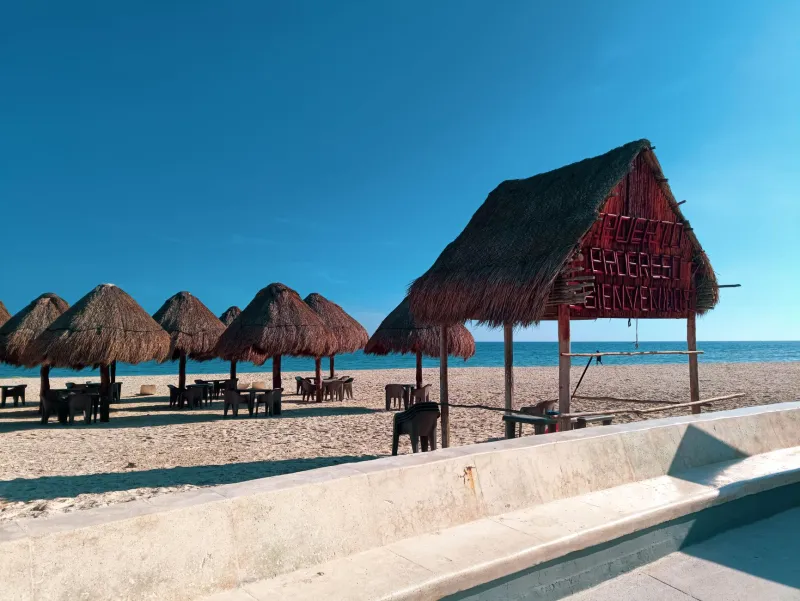
If you've ever been to South Beach or Vegas, you already have a rough idea of what Punta Cana's beach energy feels like—just add palm trees and warm turquoise water. The all-inclusive resorts that line the Bávaro coastline compete for your attention with poolside DJs, live merengue bands at dinner, and beach clubs that don't really get going until well after lunch.
Reggaeton dominates the daytime speakers here. You'll hear artists like Bad Bunny and J Balvin mixing in with homegrown Dominican acts, and the beats are hard to ignore even if you're trying to read a book three umbrellas down. At night, the entertainment ramps up further—resort shows, open-air dance floors, and bars that keep the bass going past midnight.
This is not the place to come if you're chasing quiet. But if you want to feel the party energy of the Caribbean without having to hunt for it, Punta Cana delivers that effortlessly.
Las Terrenas: Merengue Meets the Mediterranean Crowd
Las Terrenas on the Samaná Peninsula is a genuinely interesting sonic mix. There's a sizable European expat community here—French, Italian, and German—which means the music scene has absorbed some of those influences while still staying deeply Dominican at its roots.
Weekend nights in town, you'll hear live merengue and bachata pouring out of open-fronted restaurants along the main strip. But wander into one of the smaller beach bars closer to Playa Bonita, and you might stumble onto a DJ playing a chill electronic set or even a live acoustic duo. It's relaxed, it's mixed, and the volume is set at a level where you can still hold a conversation.
If Punta Cana is a concert, Las Terrenas is a good dinner party with a great playlist.
Cabarete: Wind, Waves, and Whatever's Playing at the Bar
Cabarete is famous for kitesurfing, and the beach vibe reflects that athletic, international crowd. The music here is eclectic in a way you don't find everywhere else in the DR—one bar might be playing reggae, the next has dancehall, and the one after that is deep into a Latin house set.
That said, you'll still hear bachata drifting out of the smaller spots on the east end of the beach, especially later in the evening when the wind dies down and the kiteboarders head home. The ambient sound of Cabarete is actually one of its underrated charms: the constant whoosh of the trade winds, the slap of waves on the shore, and a rotating cast of music that reflects whoever showed up that week.
It's a good fit for travelers who like a soundtrack that's a little unpredictable.
Jarabacoa Coast and Río San Juan: The Quieter Northeast
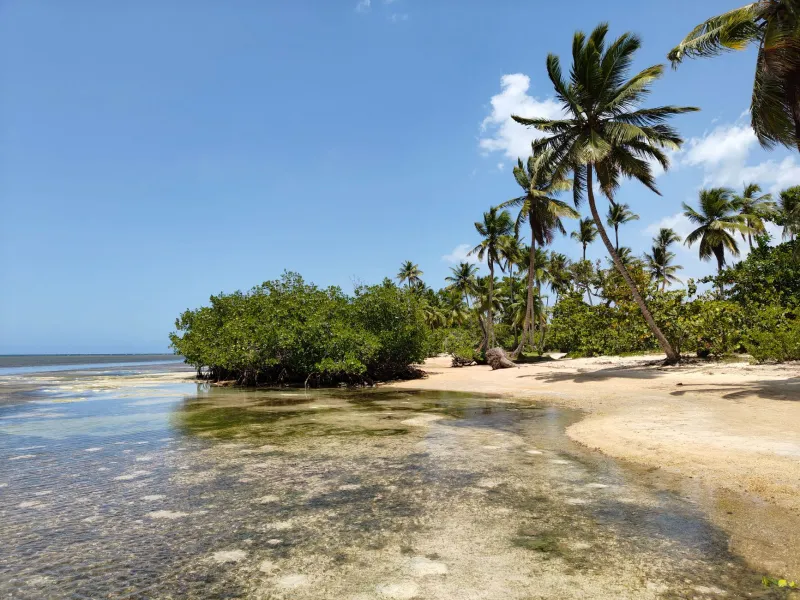
If you head east past Cabarete toward Río San Juan and the quieter stretches near Playa Grande, the sonic shift is noticeable almost immediately. These are smaller communities, and the beach culture here is more local than tourist-facing. That means the music—when you hear it—is more likely to be coming from someone's Bluetooth speaker on a fishing boat or a colmado (corner store) a block off the sand.
Palo, a percussive Afro-Dominican music style with roots in West African tradition, is more present in this part of the country than in the heavily touristed areas. You might not hear it on the beach itself, but if you spend an evening in town, there's a chance you'll catch something that feels genuinely rooted in Dominican cultural history rather than curated for visitors.
For US travelers who want to connect with the country beyond the resort bubble, the northeast's quieter acoustic identity is worth seeking out.
Santo Domingo's Malecón: Where the City Meets the Sea
The Malecón—Santo Domingo's famous oceanfront boulevard—is in a category entirely its own. This isn't a beach destination in the traditional sense, but the stretch of coast along the capital carries a musical energy that's hard to match anywhere else in the country.
Merengue is king here, especially on weekend nights when the Malecón fills up with locals. Outdoor concerts happen regularly, and the music coming out of the bars and restaurants that line the strip can range from classic Dominican big-band arrangements to contemporary urban sounds. Bachata, which has its deepest roots in the working-class neighborhoods of the capital, feels especially alive here—less polished than what you'd hear at a resort show, more real.
If you're spending any time in the DR, even a single evening on the Malecón listening to the city's musical heartbeat is worth building into your itinerary.
Barahona and the Southwest: The Sound of Solitude
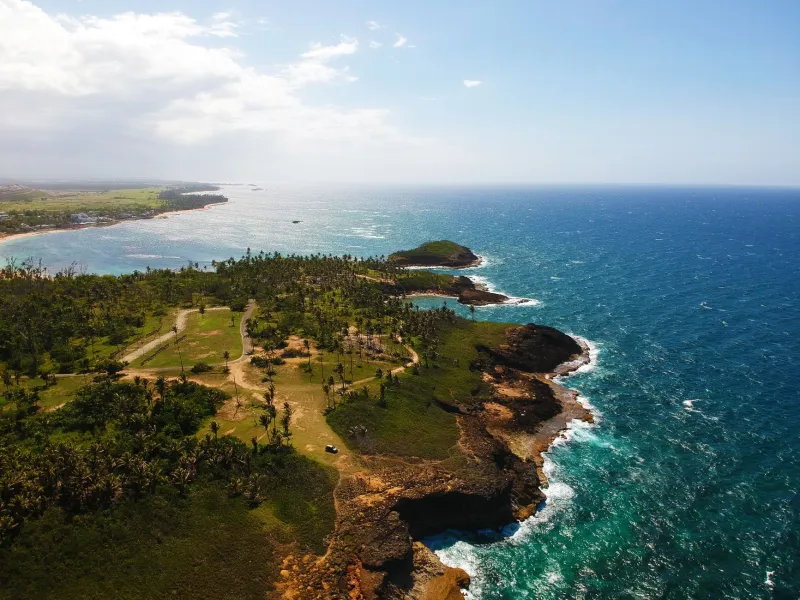
Down in Barahona and along the southwest coast—one of the least-visited stretches of the DR—the sonic experience is almost the inverse of Punta Cana. There are no beach clubs here, no DJ sets, no poolside entertainment coordinators with microphones. What you get instead is wind, birds, waves against volcanic rock, and the occasional sound of a radio playing inside someone's home.
For a certain type of traveler, that is the soundtrack. The southwest is for people who want to feel genuinely removed from the noise of modern tourism, and the near-silence of its coastline is part of what makes it feel so rare.
Matching Your Ears to Your Destination
Here's the practical takeaway: the music and ambient sound of a Dominican beach destination is a reliable signal of everything else that's going on there—the crowd, the pace, the kind of experience you're going to have.
Want to dance until your feet give out? Punta Cana and the Malecón are your moves. Looking for something in between—lively but not overwhelming? Las Terrenas or Cabarete will treat you well. Chasing the kind of quiet that actually restores you? Head southwest.
The DR has a soundtrack for every mood. You just have to know which one is yours before you book the flight.