The Real Price Tag on Dominican Beach Life: What Expats Wish They'd Known Before Moving
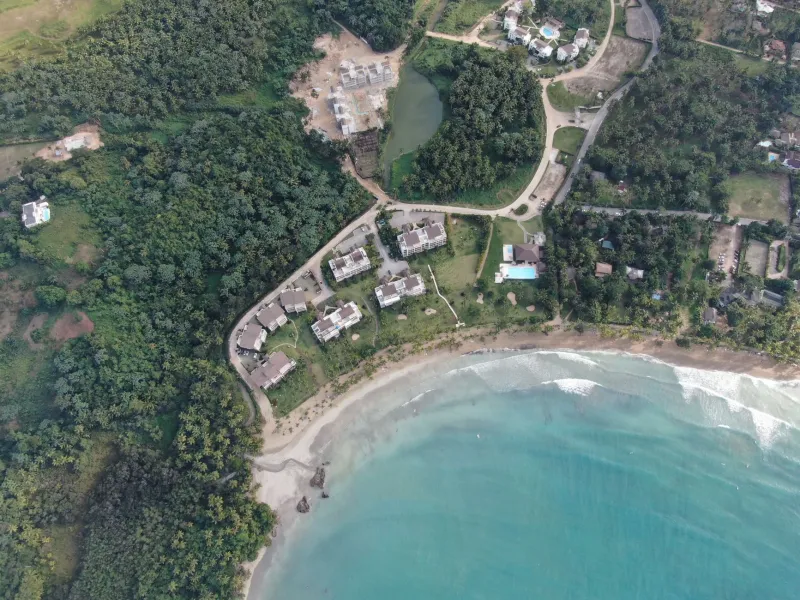
Somewhere between the third Instagram reel of a digital nomad eating fresh fish tacos on a breezy Dominican terrace and the fourth blog post claiming you can "live like royalty for $1,500 a month," a lot of Americans start doing dangerous math. They compare their current rent to what a beachfront apartment in Las Terrenas supposedly costs. They run the numbers. They start researching flights.
And sometimes, they actually make the move — only to discover that the Dominican Republic has a way of quietly rewriting your budget once you're already there.
This isn't a hit piece on the DR. Coastal living here genuinely can be more affordable than most American cities, and for the right person with the right setup, it delivers. But the gap between what the expat content machine promotes and what the experience actually costs is wide enough to cause real financial damage. So let's close it.
The Rent Looks Great Until You Need Everything Else
Yes, you can find a furnished apartment near the beach in Cabarete or Miches for $500–$700 a month. That part is real. What the listing doesn't mention is that the electricity bill in the Dominican Republic can run $150–$300 a month on its own — sometimes more — because power infrastructure is unreliable, and air conditioning isn't optional when it's 90 degrees with 80% humidity.
Many expats end up buying a generator or a battery backup system within the first few months. That's a $500–$1,500 upfront expense that nobody budgeted for. Water delivery, internet (which varies wildly in quality outside of major tourist corridors), and basic furnishings that the "furnished" apartment conveniently didn't include all pile on fast.
The honest monthly housing cost for a comfortable, functional setup in a popular beach town? Plan for $1,000–$1,400 minimum, once you factor utilities into the picture.
Healthcare Is the Budget Line That Can Break You
This is the one that catches Americans hardest. The DR has both public and private healthcare, and the private system in major cities is genuinely decent. But "decent" comes with a price tag, and expats who don't have solid international health insurance are essentially gambling.
A basic expat health insurance plan through a reputable international provider runs $150–$400 a month depending on your age and coverage level. Skip it, and one serious illness or accident can cost you tens of thousands of dollars — a medical evacuation alone can run $30,000 or more if you need to be transported back to the US.
Dental care is cheaper than in the States, which is one genuine win. But prescription medications, specialist visits, and anything requiring advanced imaging or surgery can drain an emergency fund with alarming speed.
Visa Renewals Are a Hidden Cost and a Hidden Hassle
The Dominican Republic is unusually welcoming on the entry side — Americans get 30 days automatically and can extend to 60 days with a tourist card purchased on arrival. But long-term legal residency is a different conversation entirely.
Applying for residency involves legal fees, document translation and apostille costs, multiple government fees, and often the cost of hiring a local attorney to navigate the process. Budget $1,500–$3,000 for a straightforward residency application, and understand that "straightforward" is relative. The process can stretch 12–18 months.
In the meantime, many expats do "visa runs" — short trips to neighboring islands or back to the US to reset their tourist status. Those flights and hotel nights add up to $300–$600 every couple of months, which is real money that doesn't appear on any "cost of living in the DR" spreadsheet.
Currency Fluctuations Are Not Your Friend
The Dominican peso has weakened against the US dollar over time, which sounds like it should be good news for Americans earning in dollars. And in some ways, it is. But the flip side is that prices for imported goods, international services, and anything priced in dollars (which includes most long-term rental contracts in expat-heavy beach towns) don't get cheaper just because the peso moves.
Inflation in the DR has been meaningful in recent years. Grocery prices, restaurant costs, and service fees have climbed steadily in popular coastal areas. The "cheap beach town" of 2018 is meaningfully more expensive in 2025 — and the expat content ecosystem hasn't fully caught up to that reality.
Lifestyle Inflation Is the Sneakiest Cost of All
Here's the one nobody wants to talk about: you move to a beautiful beach town, and you start living like you're on vacation. Because it feels like vacation. You eat out more. You say yes to boat trips. You buy rounds of drinks because rum is cheap and the sunset is gorgeous and honestly, why not?
This is lifestyle inflation, and it's relentless. Expats who budgeted $2,000 a month and are genuinely surprised to find themselves spending $3,000 almost always trace it back to the same thing — the social environment of a beach town is not designed for austerity.
If your income is location-independent and solid, this might not be a crisis. But if you moved to the DR specifically to stretch a fixed budget or early retirement savings, lifestyle inflation can quietly unwind the entire financial plan.
So What Does It Actually Cost?
Here's an honest, unsexy number: a comfortable, sustainable expat life on a Dominican beach — with real housing, health insurance, legal status, and a modest but enjoyable lifestyle — runs most Americans $2,500–$3,500 a month. That's still cheaper than most US coastal cities. But it's not the $1,200-a-month fantasy that gets shared on nomad forums.
For some people, that math still works beautifully. Remote workers earning US salaries, retirees with solid Social Security plus savings, or small business owners with reliable income streams can genuinely thrive here and come out ahead financially.
For people counting on the DR to solve a tight budget situation, though, the beach has a way of presenting the bill at the worst possible moment.
Before You Book a One-Way Ticket
None of this is meant to talk you out of exploring the Dominican Republic as a place to live — it's a genuinely extraordinary place, and plenty of Americans have built happy, sustainable lives here. But do yourself a favor: talk to people who've been there two or three years, not just six months. The six-month crowd is still in the honeymoon phase. The two-year crowd has seen the electricity bills, navigated the residency process, and made peace with what the lifestyle actually costs.
The beach is real. The beauty is real. The affordability is real — just not quite as dramatic as the content says. Go in with honest numbers, and you'll have a much better shot at making it work.