Dominican Beach Towns Worth Finding Before Everyone Else Does
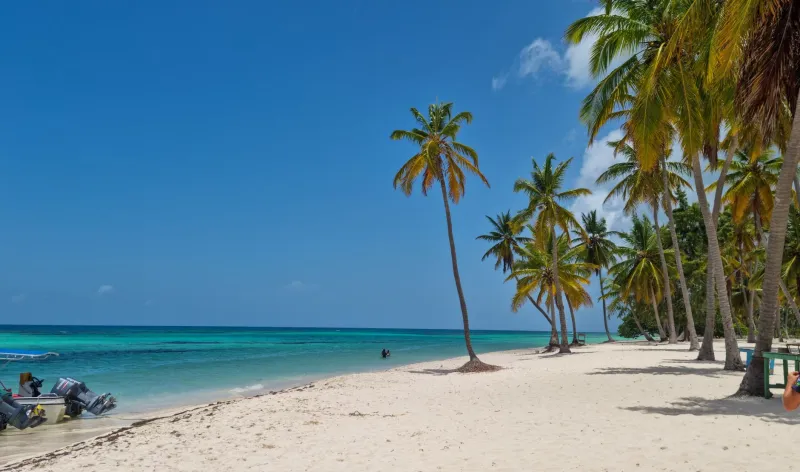
Let's be honest about Punta Cana. It's polished, it's convenient, and the beaches genuinely are beautiful. But when your "authentic Caribbean experience" involves a swim-up bar, a wristband, and a buffet with a pasta station, you're not exactly getting the full Dominican Republic. You're getting a very comfortable approximation of it.
The good news: the real thing still exists. You just have to be willing to look past the resort corridors.
The Dominican Republic's coastline is long, varied, and still largely undiscovered by the kind of mass tourism that has reshaped places like Punta Cana and Boca Chica. If you're the type of traveler who wants to find a beach bar where the owner knows everyone's name, eat fish that was swimming this morning, and pay prices that don't make you wince — these are the towns worth putting on your radar now, before the word gets out.
Playa Rincón and Las Galeras (Samaná Peninsula)
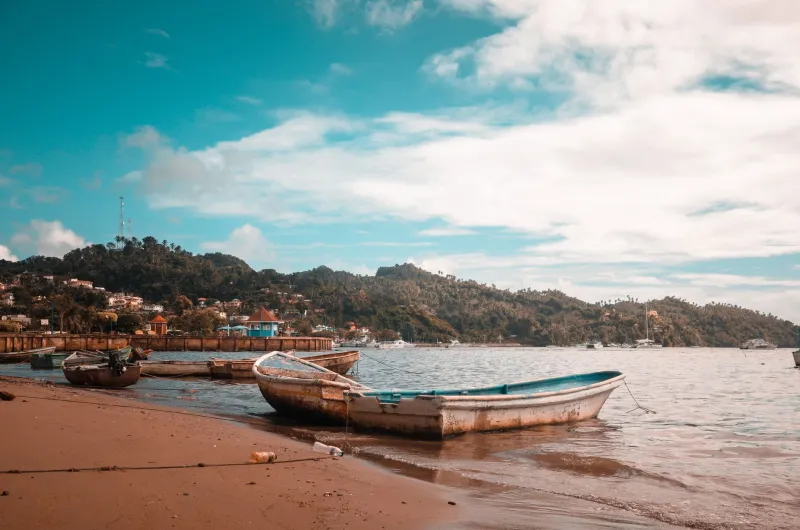
Most people who visit the Samaná Peninsula stick to Las Terrenas, which is lovely but increasingly European in its character — boutique hotels, French bakeries, and prices to match. Venture further east and you hit Las Galeras, a small fishing village at the tip of the peninsula that still operates at a pace that feels genuinely unhurried.
From Las Galeras, you can reach Playa Rincón by boat — widely considered one of the most beautiful beaches in the entire Caribbean, and still blessedly free of development. There are a handful of small restaurants on the sand, no resorts, and on a weekday, you might share it with almost nobody.
Las Galeras itself has a small cluster of guesthouses and restaurants centered around a single main street. Rooms at locally-owned spots run $40–$90/night. The diving and snorkeling off the coast here is world-class and largely uncrowded.
Getting there: Fly into El Catey International Airport (AZS) in Samaná, or fly into Santo Domingo and take the scenic three-hour drive north.
Miches (Eastern Coast)
Miches is the one that's about to change. Nestled between the Sierra de El Seibo mountains and a wide, calm bay on the northeastern coast, this small town has been quietly sitting on some of the most beautiful undeveloped coastline in the country. The beaches here — particularly Playa Esmeralda and the surrounding stretch — are long, wide, and almost entirely empty on most days.
A major luxury resort recently opened in the area, which is both a sign of what Miches is and a warning about what it might become. Right now, though, the town itself is still very much a Dominican community first and a tourist destination second. Local restaurants serve fresh seafood at local prices. The kitesurfing conditions here are increasingly drawing a small community of enthusiasts who've been keeping this place semi-secret.
Go soon. Seriously.
Getting there: About 1.5 hours west of Punta Cana by car. Accessible as a day trip from the resort zone, but staying overnight gives you the real experience.
Barahona and the Southern Coast
Almost no American tourists end up in Barahona, which is exactly why it deserves a mention. The southwest coast of the Dominican Republic is geographically distinct from the north and east — drier, more dramatic, with dark volcanic sand beaches, freshwater lagoons, and the otherworldly landscape of Lago Enriquillo nearby.
The beaches around Barahona — Playa San Rafael, Playa Quemaíto, Playa Los Patos — are backed by mountains and fed by cold freshwater streams that run directly onto the sand. Swimming here is a genuinely unique experience: you're in warm Caribbean saltwater one moment and stepping into a cold freshwater current the next.
Barahona is a real Dominican city with a functioning local economy, not a tourist town. Accommodation options are limited but improving, and the food scene leans heavily on fresh seafood and local cooking. Budget travelers can do very well here.
Getting there: About 2.5 hours west of Santo Domingo. Best accessed by renting a car or hiring a private driver from the capital.
Cabrera (North Coast)
The North Coast has its well-known spots — Cabarete for kitesurfing, Sosúa for diving, Puerto Plata for history. But Cabrera, sitting about an hour east of Cabarete, has somehow avoided being absorbed into the tourist trail despite being genuinely beautiful.
The landscape around Cabrera is lush and green even by Dominican standards, and the coastline alternates between small sandy coves and dramatic cliff formations. Laguna Dudú, a network of freshwater sinkholes and lagoons just outside of town, is one of the most visually striking spots in the country — and on most days, it's not busy.
The town has a small expat community (mostly European) that has kept development tasteful and slow. Local guesthouses and small boutique hotels are the norm. It's the kind of place where you can rent a motorbike and spend a day exploring coastal roads without a plan.
Getting there: Fly into Puerto Plata (POP) and drive about 1.5 hours east along the coast.
El Valle (Near Samaná)
If you make it to the Samaná Peninsula and want to go somewhere even fewer people go, El Valle is a small agricultural and fishing community on the southern edge of the peninsula with access to beaches that most visitors to Samaná never see. The road to El Valle is rough, which has historically been its best protection against overrun.
The beach at El Valle is wide and wild — not manicured, not lined with beach chairs, not developed. That's the whole point. There's a small local restaurant scene and a community that's genuinely welcoming to visitors who show up with some basic Spanish and a respectful attitude.
Getting there: Accessible by car from Las Terrenas (about 45 minutes on unpaved roads) or by boat from Las Galeras.
A Note on Traveling Responsibly in Less-Visited Areas
When you visit communities that haven't been shaped by mass tourism, the dynamic is different than in a resort town. Prices are local prices — don't negotiate aggressively. Hire local guides when you can. Eat at family-run spots. Spend money in ways that stay in the community.
These places are still intact partly because they haven't been loved too hard yet. The goal isn't to be the person who discovers them — it's to visit in a way that doesn't accelerate their transformation into the next Punta Cana.
The Dominican Republic's lesser-known coast is genuinely extraordinary. These towns are worth the extra effort to reach, and right now, the effort required is still pretty minimal.