All In on Tourism: The Fragile Economics Behind Dominican Beach Towns
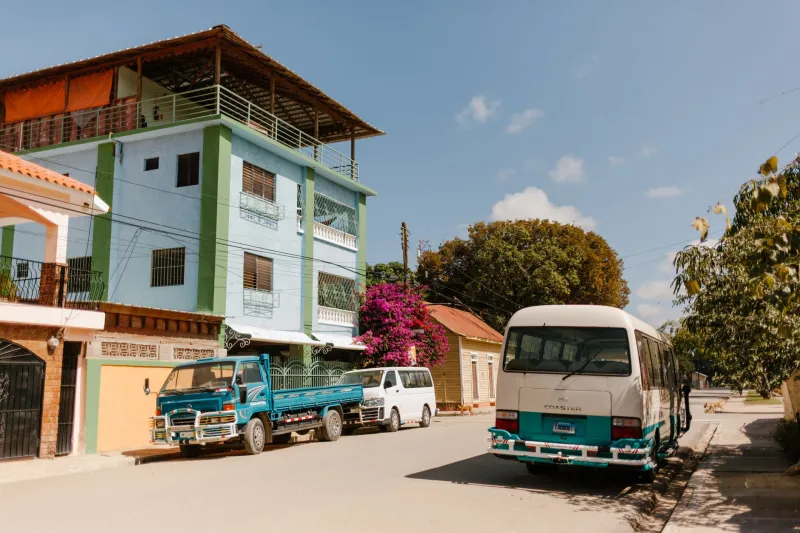
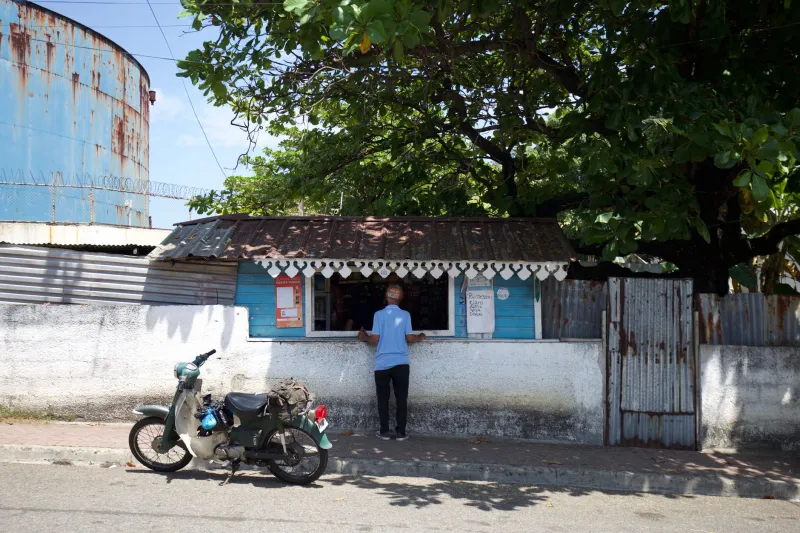
Stand on the main strip of a place like Las Terrenas or Cabarete on a Tuesday afternoon in February, and everything looks like it's working. Restaurants are packed, beach vendors are moving product, and the rum is flowing at a pace that suggests nobody has anywhere else to be. But talk to the woman who rents out plastic chairs near the water, or the guy who runs the colmado two blocks off the beach road, and a different picture starts to take shape. One that's less postcard and more pressure cooker.
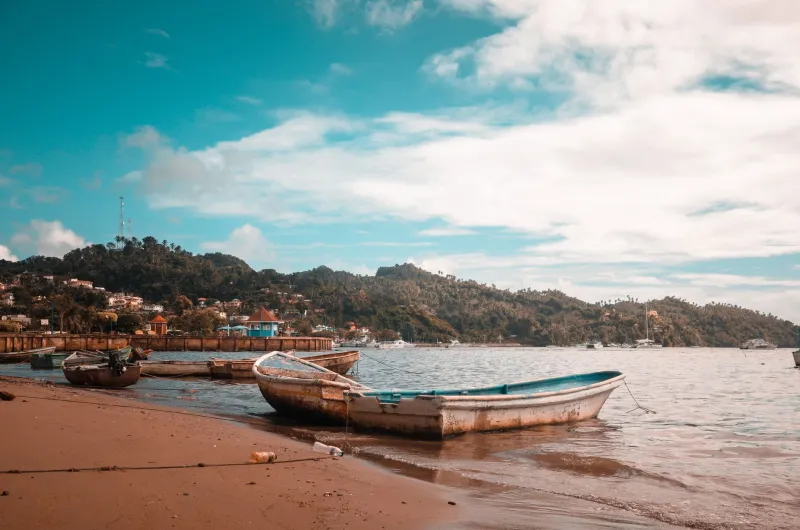
Dominican beach towns didn't always look like this. A generation ago, many of these communities were fishing villages, small agricultural hubs, or simply places people passed through. Tourism changed all of that—fast. And while the transformation brought real money and real opportunity, it also created an economic structure that's genuinely difficult to walk back from.
How the Shift Happened
The Dominican Republic's tourism boom isn't a recent story. It started building in the 1970s and accelerated dramatically through the 1990s and 2000s as all-inclusive resorts expanded along the eastern and northern coasts. But the impact on smaller, non-resort towns was more gradual and, in some ways, more total.
As word spread—through travel blogs, Instagram, and word of mouth among backpackers and expats—places like Samana, Miches, and the villages around the Samaná Peninsula started attracting independent travelers. Local families converted spare rooms into guesthouses. Fishermen started offering boat tours instead of, or in addition to, fishing. A new economy layered itself on top of the old one, and over time, for many families, it simply replaced it.
The problem with that kind of organic growth is that it rarely comes with a safety net.
When the Tourists Don't Come
High season in the Dominican Republic roughly runs from December through April, when North American and European visitors are eager to escape winter. Outside those months, particularly from late August through October when hurricane season peaks, the drop-off in some towns is stark.
For businesses operating on thin margins—which is most of them—a slow month isn't just inconvenient, it's financially catastrophic. Rent on a beachfront restaurant space doesn't pause because the tourists are gone. Staff either get laid off or work reduced hours. The vendors who depend on foot traffic from those restaurants feel it too. The ripple effect moves fast and hits hard.
Local guesthouse owners will tell you they make roughly 70 to 80 percent of their annual income in a five-month window. The rest of the year is spent managing debt, doing maintenance, and hoping next season looks better than the last.
The COVID Test Nobody Asked For
If there was ever a stress test for tourism-dependent economies, the pandemic was it. When international travel collapsed in 2020, Dominican beach towns didn't just slow down—many of them stopped entirely.
The experience forced a real conversation about economic resilience that hadn't happened before, at least not seriously. Some families returned to fishing or small-scale farming. Others found remote work through informal channels, doing everything from online sales to freelance services for foreign clients. A few communities leaned harder into domestic tourism, targeting Dominican vacationers from Santo Domingo and Santiago rather than waiting for international arrivals to resume.
That pivot to domestic tourism is worth paying attention to. It's not a perfect substitute—Dominicans generally spend less per visit than American or European tourists—but it's a buffer. And it's a market that doesn't vanish when a news cycle turns negative or a travel advisory gets issued.
What's Threatening the Model Beyond Weather
Natural disasters and pandemics get the headlines, but there are slower-moving threats to these coastal economies that don't make the news as often.
Rising costs of living driven by tourism itself is one of them. As more foreigners buy property or rent long-term in beach towns, housing costs go up for everyone. Local families who've lived in these communities for generations are getting priced out of them—a pattern that should feel familiar to anyone who's watched what happened in places like Tulum, Mexico, or parts of Costa Rica.
Environmental degradation is another. The coral reefs that make snorkeling in places like Bayahibe or the Samaná Bay worth doing are under real stress. Overfishing, coastal development, and climate-driven bleaching events are all contributing. When the underwater ecosystems that attract divers and snorkelers start to decline, so does part of the value proposition that brings tourists in the first place.
Over-reliance on all-inclusive resorts is a structural problem in its own right. The big resort complexes capture most of the tourist spending before visitors ever set foot in a local restaurant or shop. When a traveler spends their entire week inside a resort compound, the surrounding town gets very little of their money. Communities that have built their identity around independent travelers have more economic spread, but they're also more vulnerable to shifts in travel trends.
What Locals Are Actually Doing About It
The most interesting responses to this fragility aren't coming from government tourism boards—they're coming from the communities themselves.
In several coastal towns, small cooperatives of vendors and business owners have started pooling resources to market their areas directly to US and European travelers, bypassing the resort infrastructure entirely. Community-based tour operations, where the revenue stays local rather than flowing to outside operators, are growing in popularity.
Agroturismo—tourism centered around agriculture and local food production—is another model gaining traction. Some families near coastal areas are combining beach access with farm visits, cooking classes, and cultural experiences that give visitors something they can't get at a Punta Cana all-inclusive. It's a niche, but it's a sticky one. Travelers who do these kinds of trips tend to spend more, stay longer, and come back.
There's also a quiet but real push to extend the tourist season by marketing the shoulder months more aggressively. Late spring and early November, before hurricane season peaks, actually offer some of the best beach conditions in the DR—lower crowds, lower prices, and weather that's genuinely pleasant. Getting that message to American travelers who assume the DR is only worth visiting in winter is an ongoing project.
What It Means for You as a Traveler
None of this is a reason to stay home. If anything, it's a reason to be more intentional about how you travel when you get here.
Eating at locally owned restaurants instead of defaulting to resort dining matters. Hiring local guides for excursions rather than booking through international platforms makes a difference. Staying in family-run guesthouses instead of chain hotels keeps money in the community. These aren't radical acts—they're just choices that have real downstream effects on the places you're visiting.
Dominican beach towns are genuinely extraordinary places. The people are warm, the coastline is stunning, and the culture is alive in ways that no resort can replicate. But the economy that supports all of that is more precarious than the brochures suggest. Understanding that doesn't make the trip less enjoyable—it makes it more meaningful.