Gringos on the Shore: What Happens When Americans Move Into Dominican Beach Towns
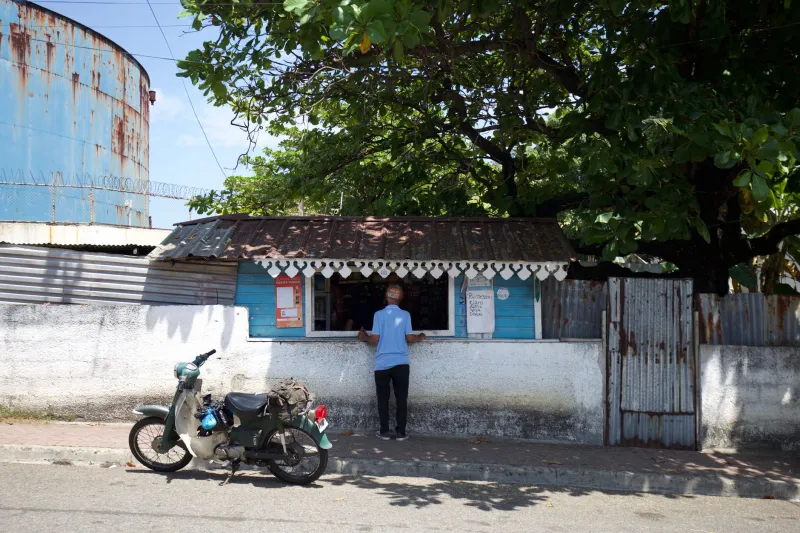
There's a moment a lot of first-time visitors to the Dominican Republic describe — that feeling of stepping off the resort property and into something that actually feels alive. Street vendors, bachata drifting out of colmados, kids kicking a soccer ball in the plaza. It feels real in a way that an all-inclusive buffet never quite does.
But here's the thing: depending on where you land, that version of the DR is getting harder to find. Over the last decade or so, a steady wave of American expats — retirees, remote workers, and lifestyle seekers — has been flowing into Dominican beach towns. And with them comes change. Some of it good. Some of it complicated.
If you're planning a trip and you care about the kind of place you're visiting, this is worth understanding before you go.
Why the DR Became an Expat Magnet
The math isn't hard to figure out. A stretch of beach property that would run you $2 million in Florida might cost a fraction of that in the DR. The weather is spectacular year-round. The country is close — a direct flight from New York, Miami, or Atlanta gets you there in a few hours. And for Americans who've burned out on the cost of living back home, the Dominican Republic offers something increasingly rare: a genuinely affordable coastal lifestyle.
Sosúa, on the north coast, was one of the first towns to feel this shift in a big way. It already had an international flavor going back decades, but the expat community there has grown into something substantial. You'll find English-language Facebook groups with thousands of members, real estate agents who cater almost exclusively to American buyers, and restaurants that serve burgers and craft beer alongside the usual mangú.
That's not inherently bad. But it does mean Sosúa has a split personality now — part Dominican beach town, part transplanted American suburb with better humidity.
The Economic Upside (It's Real)
Let's be fair about this: American money has done genuine good in some of these communities. In places like Cabarete — the kite-surfing hub just down the road from Sosúa — expat investment has funded restaurants, surf schools, and small hotels that employ local Dominicans. Real estate development, when done responsibly, creates construction jobs and brings infrastructure improvements that benefit everyone.
For US travelers, that means towns like Cabarete are remarkably easy to navigate. English is widely spoken, menus are often bilingual, and the general tourist infrastructure is solid. If you're a first-timer who's a little nervous about navigating a language barrier, these spots offer a gentler entry point into Dominican coastal life.
There are also expats who've genuinely integrated — learning Spanish, building relationships with neighbors, participating in local life rather than recreating America on a beach. They exist, and they matter.
The Cultural Friction Nobody Likes to Talk About
Here's where it gets more complicated.
In several coastal towns, rising property values driven by foreign demand have pushed local Dominican families out of neighborhoods they've lived in for generations. Landlords who once rented to fishermen are now holding out for American tenants willing to pay three times the going rate. Small Dominican-owned fondas — those casual, cheap lunch spots that serve the best rice and beans you'll ever eat — are getting squeezed out by beachfront restaurants catering to expat tastes and expat budgets.
There's also a subtler tension around identity. Some Dominican residents in heavily expat-populated towns describe a feeling of being a guest in their own community — where the dominant language on the main strip has shifted, where the music in the bars has changed, where the whole vibe of the place no longer quite belongs to them.
This isn't unique to the DR — it's a story that plays out in beach communities everywhere from Mexico to Portugal. But it's worth acknowledging honestly rather than glossing over it in the name of a good vacation pitch.
The Towns That Still Feel Authentically Dominican
The good news? Plenty of Dominican beach towns haven't hit that tipping point yet, and some may never get there.
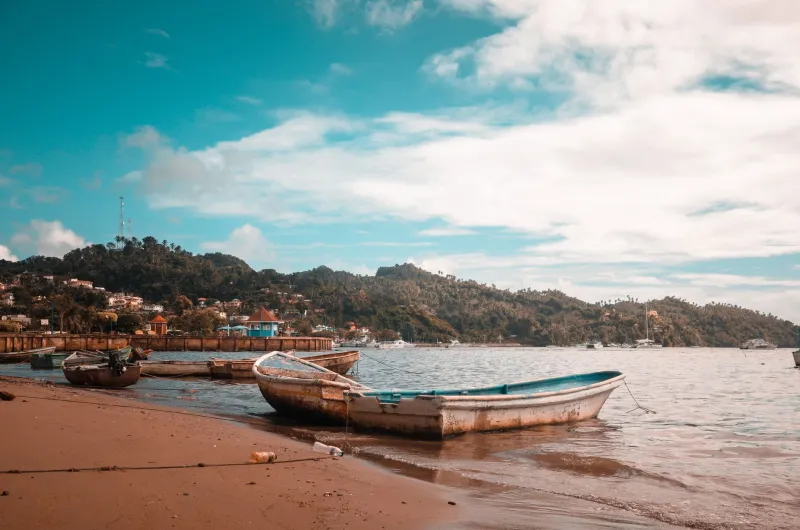
Las Galeras, tucked at the far end of the Samaná Peninsula, is one of the most striking examples. There are a handful of expats there, sure, but the town still runs on Dominican time. The fishing boats go out in the morning, the plaza fills up in the evening, and the handful of guesthouses are mostly small, locally run operations. Getting there requires some effort — that's part of why it's stayed the way it is.
Miches, on the northeast coast, is another one to watch. It's been on the verge of "discovery" for years, but so far the development has been slow enough that local character hasn't been steamrolled. The beaches around Miches are genuinely stunning and still mostly uncrowded.
Boca Chica has its own complicated history, but the core of the town — the waterfront, the market, the Sunday afternoon scene — remains deeply, unmistakably Dominican in a way that's hard to fake.
How to Travel in These Places Thoughtfully
You don't have to feel guilty about showing up in a town that's been shaped by American influence. But there are ways to travel in these communities that do more good than harm.
Eat at Dominican-owned spots, not just the English-menu restaurants on the main tourist drag. Ask your hotel or guesthouse who the locals actually recommend. Learn a few words of Spanish — even a little goes a long way in terms of how you're received. And when you're spending money, think about where it's actually going.
The DR's coastal towns are not a monolith. Some have changed dramatically; others are still largely untouched. Part of the fun of exploring this country is figuring out which version of it you're standing in — and deciding how you want to engage with it.
So Which One Is Right for You?
If you want maximum ease and don't mind a gringo-friendly vibe, Cabarete or Sosúa will serve you well. The infrastructure is good, the food scene is diverse, and you won't feel lost.
If you want something that still feels like the Dominican Republic you came to find — where the music is louder, the prices are lower, and the experience is less curated — push past the well-worn tourist circuit. Las Galeras, Miches, and a few other spots along the coast are still out there waiting.
The expat effect is real, and it's reshaping the DR's shoreline in ways that are neither all good nor all bad. The best thing you can do as a traveler is show up with your eyes open.