Hook, Cook, Eat: A US Traveler's Guide to Ordering Fresh Seafood at Dominican Beach Shacks
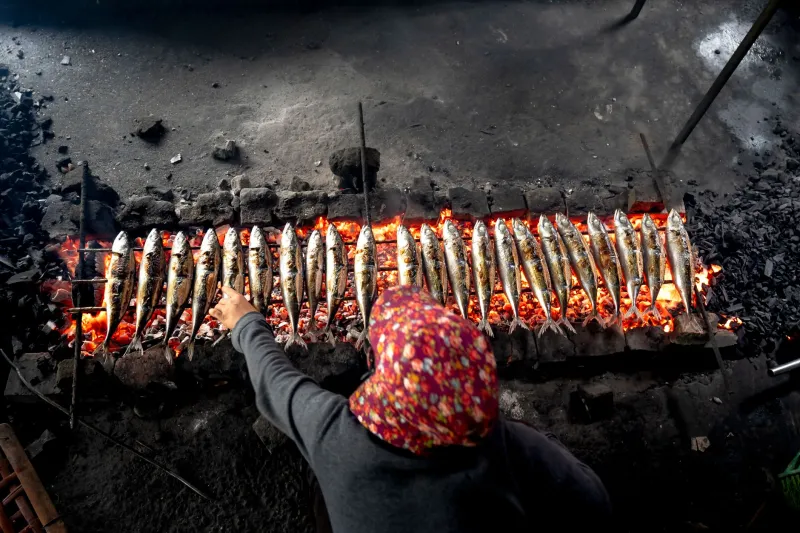
Let's be honest — no resort buffet is going to give you the same feeling as pulling up a plastic chair on the sand, cold Presidente in hand, while someone grills a whole red snapper ten feet away from you. Dominican beach shacks — locally called chiringuitos or just comedores de playa — are where the real food happens. But for a lot of US travelers, the experience can feel intimidating. What's safe to eat? How do you order when your Spanish is, let's say, a work in progress? And how do you know if that fish was caught this morning or last Tuesday?
We've got you covered.
What "Fresh" Actually Means Here
In the Dominican Republic, "fresh" seafood isn't a marketing phrase — it's a logistical reality for most beach shacks. The majority of small coastal vendors buy directly from local fishermen, often the same guys you'll see hauling boats up the beach at sunrise. This supply chain is about as short as it gets.
That said, not every shack operates the same way. In heavily touristy areas like parts of Punta Cana or Bávaro, some vendors source from distributors and may not always have the day's catch. The further you get from the big resort corridors — think Las Terrenas, Miches, or the fishing villages around Samaná — the more likely you are to be eating something that was swimming a few hours ago.
A good rule of thumb: if you can see whole fish on display (rather than pre-cut fillets), that's usually a positive sign. Whole fish are harder to fake freshness on. Eyes should be clear and bright, not cloudy. Gills should look reddish, not gray. And if the place smells aggressively "fishy," that's actually a red flag — truly fresh seafood has a clean, oceanic smell, not an overpowering one.
What's In Season (And What to Order When)
Dominican fishermen work with the sea's natural rhythms, which means what's available shifts throughout the year. Here's a loose seasonal guide to help you order smart:
- Mahi-mahi (dorado): Available pretty much year-round, but especially abundant from spring through early fall. It's one of the most commonly served fish at beach shacks and a great default order.
- Lobster: Dominican spiny lobster season typically runs from October through April. Outside of those months, be cautious — what you're getting may be frozen or imported.
- Conch (lambí): A DR staple. Fresh conch is available year-round but is at its best in calmer sea conditions. If the shack offers lambí guisado (stewed conch), that's usually a reliable preparation.
- Red snapper (chillo): Another year-round option, often grilled whole with garlic, lime, and herbs. Hard to go wrong here.
- Shrimp (camarones): Treat these with a little more scrutiny. Much of the shrimp in tourist areas is farmed and may not be locally sourced. Ask where it's from if you can.
Navigating the Ordering Process
Don't let a language barrier keep you from the best meal of your trip. Most beach shack owners near tourist areas have worked with enough US visitors to handle basic English, but even a few Spanish phrases go a long way — and people genuinely appreciate the effort.
Some useful phrases to keep in your back pocket:
- "¿Qué pescado tienen hoy?" — What fish do you have today?
- "¿Está fresco?" — Is it fresh?
- "¿Lo pescaron hoy?" — Was it caught today?
- "¿Cómo lo preparan?" — How do you prepare it?
- "Sin picante, por favor" — Without spicy, please (if that's your thing)
Pointing works too. If you see something on the grill or in a cooler that looks good, point at it. Shack owners are generally happy to show you what they've got and walk you through the options. This isn't a formal restaurant — it's a conversation.
The Safety Question (Let's Address It Directly)
US travelers sometimes hesitate at beach shacks because of food safety concerns, and that's a fair thing to think about. Here's the honest take: the risk is real but manageable, and the same basic rules that apply to street food anywhere in the world apply here.
Stick to cooked seafood rather than raw preparations unless you're at a reputable spot you've vetted. Ceviche is popular and delicious, but it's "cooked" only by acid (lime juice), not heat — so the quality of the raw ingredient really matters. If a place is doing brisk business with locals, that's a solid indicator. Locals know where to eat and where not to.
Also: order what's being actively cooked, not what's been sitting out. A plate of grilled fish that just came off the fire is always going to be safer than something that's been warming under a lamp. When in doubt, ask for your fish to be cooked bien cocido (well done).
And yes, drink bottled water. That one's non-negotiable.
The Culture of the Beach Shack
Here's something that doesn't make it into most travel guides: eating at a Dominican beach shack isn't just a transaction — it's a bit of a social experience. Owners often double as cooks, servers, and entertainers. Merengue or bachata is almost always playing. Kids might be running around. Someone's probably watching a telenovela on a tiny TV bolted to the wall.
Linger a little. Don't rush. Ask the owner what they recommend. If you loved the food, say so — "Está delicioso" will earn you a huge smile and possibly a free shot of Mama Juana.
Tipping isn't always expected at informal spots, but it's always appreciated. A dollar or two on a modest meal goes a long way and keeps these small family operations going.
Where to Find the Good Ones
The best beach shacks tend to cluster near active fishing communities rather than resort beaches. Some spots worth seeking out:
- Las Galeras (Samaná Peninsula): A laid-back fishing village with some of the best grilled seafood in the country.
- El Quemaíto (near Barahona): Tiny, off-the-beaten-path, and absolutely worth the detour for fresh fish.
- Boca Chica: Closer to Santo Domingo and a bit more chaotic, but the seafood vendors along the waterfront are legit.
- Miches: Still relatively undiscovered by mass tourism, which means the food scene is as authentic as it gets.
Bottom Line
The Dominican Republic's beach shack culture is one of the genuinely underrated pleasures of visiting this country. It's affordable, it's delicious, and it connects you to the coast in a way that no air-conditioned restaurant really can. Learn a few phrases, trust your instincts, look for the busy spots, and don't skip the lobster when it's in season.
The best meal of your trip probably isn't going to come with a printed menu. It's going to come with sand between your toes and a cook who's been doing this for thirty years. Go find that cook.